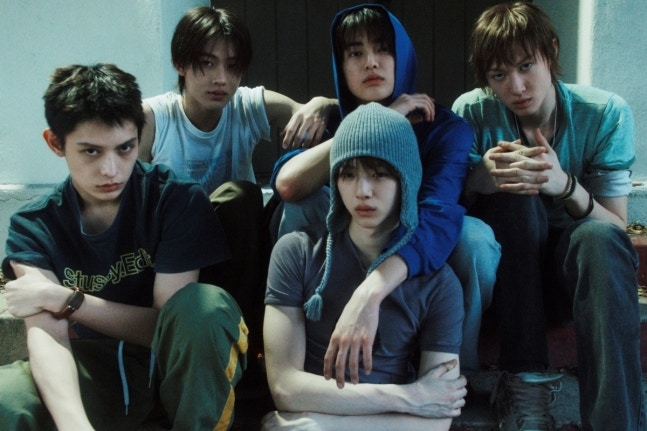
The recent arrest of two Chinese nationals for allegedly trespassing into the dormitory of the K-pop boy band CORTIS is a chilling reminder of the persistent and dangerous “sasaeng” culture that continues to plague the South Korean entertainment industry. Occurring in the early hours of July 23, 2026, in the Yongsan District of Seoul, the incident began when the group’s manager discovered that packages left outside their residence had been torn open and the front door was left ajar, prompting an immediate police report. When officers arrived, they found the two individuals on another floor of the apartment building.

The Anatomy of an Invasion
The suspects allegedly admitted to purchasing the group’s private address through social media—a practice that is increasingly common in the digital black market for private celebrity information. While the two women claimed to police that they did not actually enter the dormitory or intentionally damage the packages, their presence inside a restricted residential building at 2:00 a.m. suggests a clear, premeditated intent to invade the members’ personal space. The police are currently investigating the circumstances, but the incident has already served as a flashpoint for renewed outrage regarding how easily privacy can be breached in the age of viral fandom.

The “Sasaeng” Crisis: A Recurring Nightmare
This incident with CORTIS—the first idol group from BigHit Music in six years—mirrors a long and traumatic history of privacy invasions in K-pop. For years, groups like NCT have battled similar threats. In previous years, members like Jaehyun and Haechan were victims of severe stalking, including an individual using a stolen hotel key card to film the interior of Jaehyun’s private room and multiple instances of unauthorized access to dormitories. The CORTIS incident is simply the latest chapter in a narrative where the line between “devoted fan” and “criminal stalker” has been completely erased.

The Failure of Current Protections
For fans and industry observers alike, the question is no longer “why is this happening?” but “how are these addresses still for sale?” There is a collective frustration that despite years of agencies like SM Entertainment and BigHit Music threatening legal action, the infrastructure supporting sasaeng behavior—the data brokers, the SNS sellers, and the lack of physical security at “private” dorms—remains largely intact. These incidents are not merely “overzealous fandom”; they are serious security failures that threaten the physical safety and mental health of artists.
The Human Toll
Beyond the legal proceedings, the psychological impact on the artists is profound. Being unable to feel secure even within the four walls of one’s own home is a fundamental violation of human rights that no amount of fame should necessitate. As the industry continues to globalize and grow in reach, the “sasaeng” phenomenon is shifting from a local nuisance to a transnational security issue, often involving international fans who mistakenly believe their status as “super-fans” grants them access that defies the law.
Ultimately, the CORTIS dorm incident is a grim, cautionary tale for the industry. As long as there is a market for private information and as long as agencies fail to implement impenetrable security protocols, these “dormitory nightmares” will continue to occur. It is no longer enough to “vow legal action” after the fact; the industry is reaching a breaking point where the safety of its talent must be prioritized over the accessibility of its stars.