When a fallen star’s private life spills into the public square, the internet rarely responds with nuance. The recent viral spread of playful “Life Four-Cut” photo booth snaps and videos featuring actor Yoo Ah-In alongside a close fashion brand executive has reignited a fierce online debate across Korean entertainment circles.
Coming on the heels of his high-profile legal battles over habitual drug use and medical anesthetics—which concluded with a suspended prison sentence—the casual, smiling snapshots caught the public completely off guard. Let’s decode the friction between personal loyalty, public outrage, and the complex expectations surrounding a celebrity’s mandatory period of “self-restraint.”
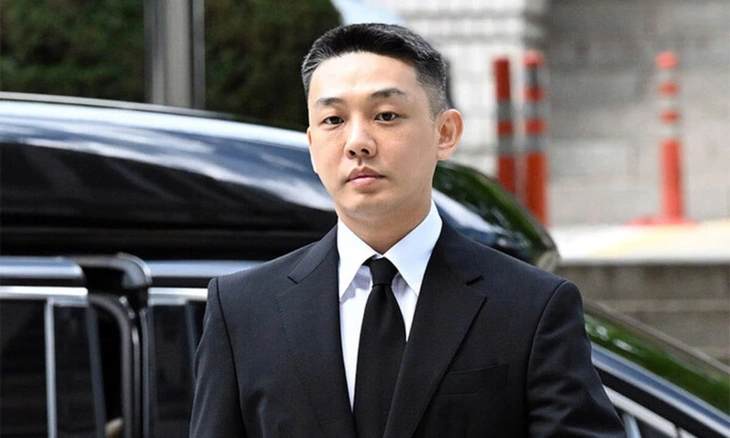
In the ecosystem of Korean celebrity scandals, public perception dictates that an entertainer facing legal consequences must undergo a period of quiet, somber self-reflection (jaseong). Any public display of normalcy, let alone lighthearted, physically close interactions with friends, is frequently interpreted by critics as a lack of genuine remorse.
The photos—showcasing Yoo looking relaxed in a white T-shirt and baseball cap, leaning comfortably against his longtime friend and posing playfully—sparked immediate division:
-
The Critical View: Many online commentators and netizens argued that the display was tone-deaf, feeding into growing suspicions that industry insiders are already quietly paving the way for his return to the screen (such as whispers surrounding upcoming film projects or agency discussions). To critics, seeing a disgraced star smiling and posing in a photo booth feels like a slap in the face to public standards.
-
The Defending View: Supporters and close associates pointed out a simpler reality: the photos were shared by a longtime friend on a personal social media account, capturing normal human interaction between private individuals. They argued that a suspended sentence and legal penalties shouldn’t strip a person of their right to maintain friendships or smile in public.

The outrage isn’t just about a photo booth strip; it’s about context. This digital leak follows a string of recent public sightings—such as his low-profile attendance at a VIP movie premiere alongside prominent film directors—which have constantly fueled rumors of an impending entertainment comeback.
For an industry and public weary of seeing disgraced stars make swift returns to mainstream media, every casual snapshot is scrutinized as a calculated PR maneuver or a litmus test to gauge public tolerance.

Viewing this through a modern, no-filter lens, the entire dynamic highlights an ongoing cultural exhaustion. Younger digital natives are increasingly skeptical of the rigid, performative rituals of “public apology and exile” demanded by traditional entertainment gatekeepers.
On one hand, there is zero tolerance for illegal behavior or the abuse of institutional privilege. On the other, there is a growing eye-roll at the expectation that celebrities must lock themselves away in perpetual misery to appease internet commentators. People are tired of the cycle where every casual moment of human connection is weaponized into a moral panic about whether someone is “truly sorry enough.”

Ultimately, Yoo Ah-In’s playful photo booth snaps are a minor digital footprint that carries massive symbolic weight. They remind us that while the legal system has rendered its final verdict, the court of public opinion remains permanently in session.
Whether these casual glimpses into his daily life are harmless moments between friends or calculated steps toward a gradual return to the spotlight, one thing is certain: until an official, definitive career move is made, every smile, snapshot, and public sighting will continue to divide the room.