Kim Soo Hyun has officially been cleared of child sexual abuse allegations connected to the late actress Kim Sae Ron, marking a dramatic turning point in one of South Korea’s most closely followed entertainment controversies. According to an exclusive report from Dispatch, investigators concluded that the evidence used to support the accusations was fabricated using artificial intelligence, leading police to close the case without forwarding it for prosecution.
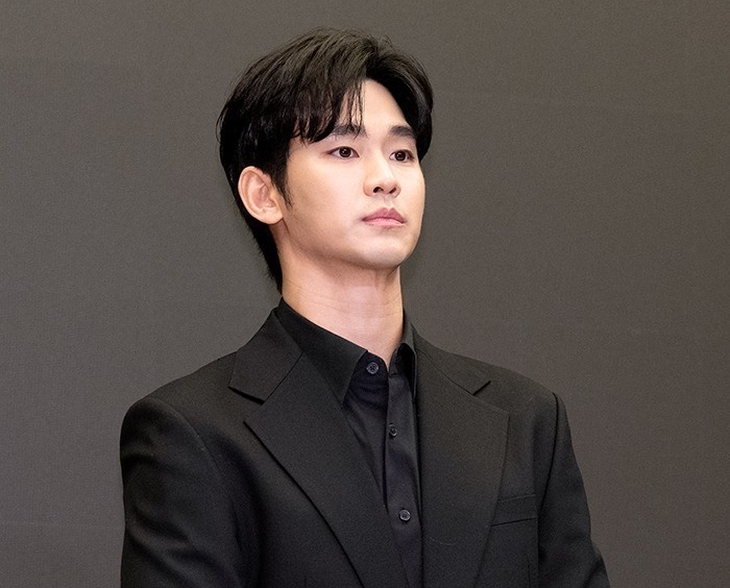
The decision follows months of intense public scrutiny after allegations surfaced claiming Kim Soo Hyun had engaged in an inappropriate relationship with Kim Sae Ron while she was still a minor. The accusations centered on alleged violations of South Korea’s Child Welfare Act and claims of sexual exploitation involving a minor.
According to the report, Seongdong Police Station completed its investigation and determined there was insufficient evidence to support the allegations. Authorities reportedly concluded that there was no verified evidence proving a romantic or sexual relationship existed while Kim Sae Ron was underage and decided not to refer the case to prosecutors, effectively ending the criminal investigation.
Investigators also examined additional accusations of child sexual exploitation but reportedly reached the same conclusion, finding no grounds for further legal action.
A major focus of the investigation was an audio recording released by Kim Se Ui, who claimed it contained a conversation between Kim Sae Ron and an acquaintance in New Jersey. In the recording, the speaker allegedly suggested that Kim Soo Hyun had initiated a sexual relationship with Kim Sae Ron when she was in middle school.

The recording quickly became one of the central pieces of evidence cited by those accusing the actor.
However, according to Dispatch, forensic analysis produced a very different conclusion.
The Forensic Investigation Division of the Supreme Prosecutors’ Office reportedly analyzed the audio and found signs that it had been manipulated. Investigators cited inconsistencies in the voice frequency patterns that they say are consistent with AI-generated or artificially altered audio.
Authorities also reportedly stated that the identity of the alleged acquaintance from New Jersey could never be verified. Investigators were unable to determine whether the individual actually existed or whether the voice itself had been created using artificial intelligence.
Based on those findings, police concluded that the recording could not be considered reliable evidence.
Dispatch further reported that investigators ultimately determined the allegations presented by Kim Se Ui and members of Kim Sae Ron’s family were unsupported by the available evidence.

The development has generated strong reactions online.
Supporters of Kim Soo Hyun argue that the decision represents a complete legal vindication after months of severe damage to his reputation. Many have pointed to the case as an example of the growing risks posed by AI-generated media and the importance of forensic verification before highly damaging allegations are accepted as authentic.
Others, meanwhile, note that the legal conclusion addresses the criminal allegations investigated by police but does not necessarily resolve every public debate surrounding the broader controversy.
With authorities reportedly declining to pursue criminal charges and determining that the key audio evidence had been manipulated, the criminal investigation into the child sexual abuse allegations has now come to an end, representing a significant legal victory for Kim Soo Hyun.