Amid the growing backlash surrounding the hit MBC drama Perfect Crown, actor Lee Jae Won has officially canceled his scheduled post-drama interview, becoming the latest cast member affected by the controversy engulfing the series after its finale.
On May 18, Lee Jae Won’s agency, confirmed to local outlet Maeil Business Star Today that the actor would no longer participate in the interview originally planned for May 21. According to the agency, the decision was made after considering the “current public opinion and situation surrounding the drama very seriously.”

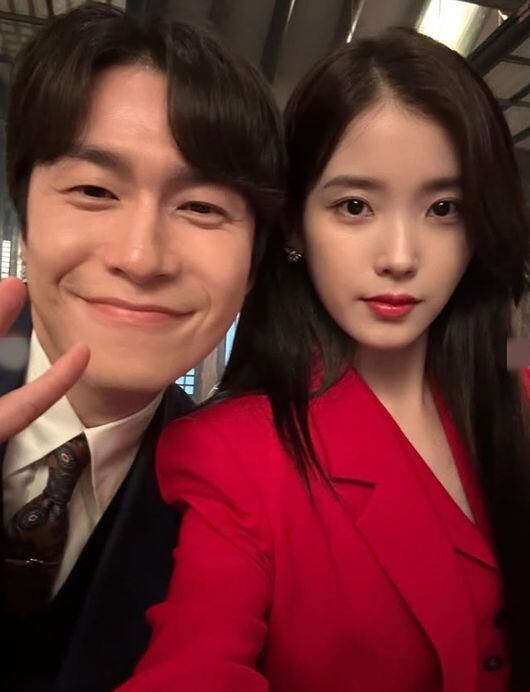
Lee Jae Won portrayed Seong Tae Ju in Perfect Crown, the eldest son of Castle Group and older brother to Seong Hui Ju, played by IU. The drama centered around a fictional constitutional monarchy version of modern-day Korea and followed the romance between a wealthy commoner heiress and Grand Prince Ian, portrayed by Byeon Woo-seok.
In its official statement, the agency explained that proceeding with a solo interview under the current circumstances could place “additional burden” on both the production and viewers. The company added that Lee himself was also viewing the situation “with a heavy heart” as someone involved in the project. After internal discussions, they concluded it would be difficult to move forward with promotional activities tied to the drama.

The cancellation immediately drew attention because post-finale interviews are a standard part of Korean drama promotions, especially for a series that performed as strongly as Perfect Crown. Despite the controversy, the drama ended with impressive ratings, recording a nationwide viewership peak of 13.8% according to Nielsen Korea. That score made it one of MBC’s highest-rated Friday-Saturday dramas in recent years.
However, the ratings success has been overshadowed by mounting criticism over the show’s historical and cultural portrayals. Throughout its run, Perfect Crown faced accusations of historical distortion tied to its depiction of monarchy symbolism and terminology. The backlash intensified after viewers pointed out that the royal crown used during Prince Ian’s ascension ceremony featured nine rows instead of twelve — a detail critics argued symbolized a vassal state rather than an independent sovereign nation.
Additional controversy emerged over the use of the term “cheonse” instead of “manse” during ceremonial scenes, leading some viewers to accuse the production of portraying Korea in a way that resembled a tributary state. As discussions spread online, some netizens even connected the issue to broader concerns involving the so-called Northeast Project, escalating what initially seemed like a niche historical criticism into a full-scale online firestorm.
The controversy has already prompted responses from several major cast members. Earlier this week, Byeon Woo-seok released a lengthy public apology, admitting that he failed to fully consider the historical implications and possible viewer reactions while filming the series. His statement received mixed reactions online, with some praising his accountability while others argued the apology came too late.
At the same time, old interviews involving both Byeon Woo-seok and IU resurfaced online, further fueling criticism. In those interviews, both actors enthusiastically described how quickly they decided to join the drama after reading the script, comments that some netizens interpreted as evidence they overlooked the controversial aspects of the story.
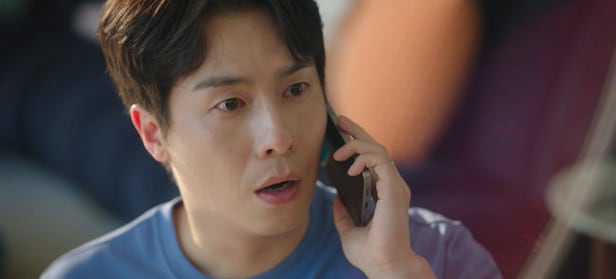
Now, Lee Jae Won’s decision to step back from interviews appears to reflect the increasingly cautious atmosphere surrounding the production. Industry observers believe the move was likely intended to avoid generating additional headlines focused on individual cast members while criticism toward the series remains intense.
Even though Perfect Crown concluded with strong ratings and massive public attention, the ongoing backlash shows no signs of slowing down. Instead of celebrating the drama’s commercial success, much of the conversation has shifted toward questions about historical sensitivity, creative responsibility, and how actors and production teams should respond when controversies spiral beyond the screen.