Annette Bening has opened up about the surprising depth of her latest television role, revealing that the character she portrays in Lucky takes her into darker territory than many viewers might have expected. Although audiences may already know her as Beulah Jackson from Dutton Ranch, a woman recognized for her ruthless strategies, intimidating presence, and manipulative behavior, Bening believes her Lucky character, Priscilla Masterson, is an entirely different kind of force. In fact, she sees Priscilla as even more disturbing in certain ways because of the choices she makes and the lack of boundaries she has when dealing with those who stand in her way.
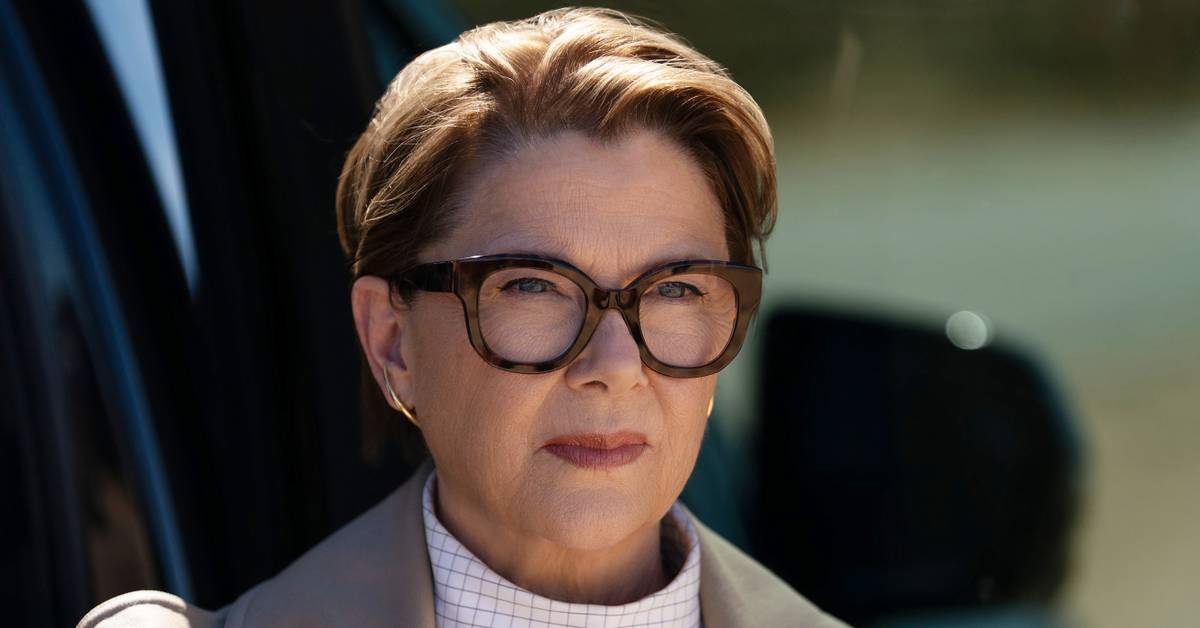
Fans were not necessarily expecting to see Annette Bening appear in two major television projects in such a short period of time, but the Oscar-nominated actress has found herself surrounded by impressive casts across multiple streaming series. Before she stepped into the world of Dutton Ranch as the formidable Beulah Jackson, she had already taken on the role of Priscilla Masterson in Apple TV’s crime thriller Lucky. Because both characters are powerful women who are willing to use their influence, intelligence, and strength to survive, comparisons between them are almost unavoidable.
However, according to Bening, the similarities between the two women only go so far. While both Beulah and Priscilla are capable of making difficult decisions and taking extreme actions, Bening believes there is a major difference that separates them. She explained that Beulah still possesses a sense of morality beneath her harsh exterior. Even though Beulah’s actions may sometimes appear extreme, she is driven by a personal belief system and a desire to accomplish what she believes is necessary.
Priscilla, on the other hand, exists in a much darker space. Bening described her as someone who is much more disconnected from normal moral boundaries, suggesting that she has sociopathic qualities that make her especially fascinating to portray. For the actress, that complexity was one of the most enjoyable parts of playing the character. She was able to explore what it would feel like to step into the mindset of someone who makes choices that most people would never consider making.
Bening explained that playing Priscilla was almost like entering a dreamlike world because the character allows her to experience situations and emotions far removed from her own life. While she does not support or justify Priscilla’s behavior, she believes watching a character like this can be compelling because audiences can explore extreme possibilities through fiction. The role allows viewers to ask themselves difficult questions about power, revenge, loyalty, and what someone might do if they abandoned the limits that usually guide their decisions.

One of the most interesting aspects of Priscilla’s character is her complicated relationship with Wayne, played by William Fichtner. Bening described their connection as deeply layered, filled with emotional conflict, control, and unresolved feelings. She explained that Priscilla’s feelings toward Wayne are not simple. There is a sense that she still has affection for him, but that emotion exists alongside anger and resentment because of the ways he has hurt and betrayed her.
Their dynamic is built around a constant battle for power. Priscilla admires certain qualities in Wayne, but she also wants to make him pay for the pain he caused her. Bening said that Wayne’s effortless confidence and intelligence make him someone who is difficult for Priscilla to ignore, even when she knows their relationship has caused her significant damage. Their interactions become a psychological struggle where attraction, anger, and revenge are constantly competing with one another.
Bening also discussed how Priscilla’s history shapes the way she behaves. She explained that the character was once someone who lacked power and experienced abuse, but over time she transformed into someone capable of hurting others herself. That contradiction was one of the elements that made the role so compelling for Bening. Priscilla is not simply a villain without a past; she is someone shaped by trauma, betrayal, and a desperate attempt to regain control over her own life.
Her relationship with Wayne also affects her connection with her son and the decisions she is willing to make. Bening noted that Priscilla genuinely cares about her child and wants him to be safe, but she is also a person who has reached a point where survival and ambition can push her toward morally questionable choices. That conflict creates tension because viewers are able to understand where she comes from while still recognizing the dangerous person she has become.

Bening also highlighted her admiration for Anya Taylor-Joy’s performance as Lucky, explaining that Priscilla does not simply view Lucky as an enemy. Instead, she finds her fascinating and respects her intelligence. While Lucky creates problems for Priscilla and constantly challenges her plans, there is also a level of admiration between them. Priscilla sees Lucky as someone who is clever, unpredictable, and difficult to manipulate, which makes her both frustrating and intriguing.
For Bening, the appeal of Priscilla comes from the character’s contradictions. She is powerful yet vulnerable, threatening yet emotionally damaged, and determined yet haunted by her past. Through Lucky, audiences get to see another side of Bening’s talent as she explores a woman who operates in a world where morality is complicated and survival often requires impossible choices.