On June 12 (KST), a highly anticipated live performance by BTS in Busan quickly turned from a celebratory event into a wave of frustration, confusion, and public debate after a major delay disrupted proceedings and left thousands of fans waiting far longer than expected.

The concert, held at the Asiad Main Stadium in Yeonje District, was expected to be one of the group’s biggest live moments of the year, drawing a massive international audience both in person and online. However, what should have been a smooth, high-energy opening instead reportedly began with a delay of around one hour and fifteen minutes. According to reports circulating online and statements later issued by organizers, the disruption stemmed from logistical complications around entry procedures and issues linked to the distribution of fan gifts at the venue.
As crowds built outside the stadium and anticipation reached its peak, the situation inside the venue became increasingly strained. Fans reported confusion at entry points, with bottlenecks forming as staff attempted to manage large-scale crowds. The complications were later acknowledged by HYBE, the entertainment company behind BTS, which issued a formal apology on social media under its official account. The statement expressed regret over the inconvenience caused to attendees, noting that the delayed start had significantly impacted the experience for fans who had travelled long distances for the event.
Despite the apology from the company, the situation did not settle quietly. The focus quickly shifted toward what had actually gone wrong behind the scenes, with many questioning whether the issue lay with organisational planning, venue management, or mishandling of fan-related logistics. While HYBE took responsibility in general terms, there was no detailed breakdown of the specific failures that led to the delay, leaving room for speculation and anger across social media platforms.
Following the show, members of BTS themselves addressed fans during a livestream on Weverse. In the broadcast, members including Jimin and Jungkook acknowledged the disruption and offered apologies on behalf of the company. Their tone was respectful and visibly apologetic, with both stars expressing regret that the situation had affected fans’ enjoyment of the event.
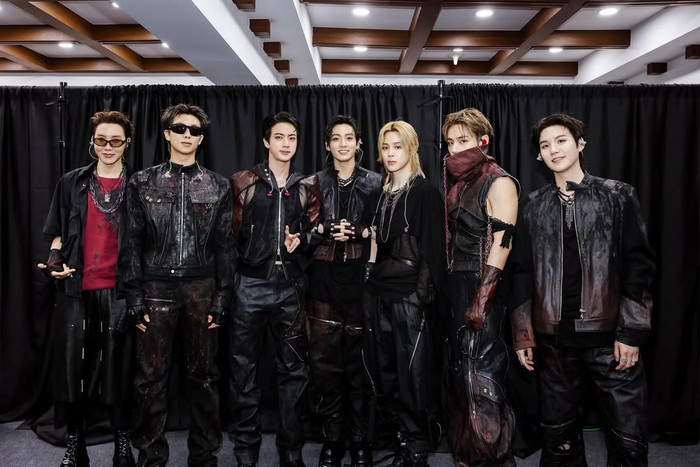
Jimin, in particular, spoke about not being fully aware of the exact cause of the delay, explaining that they had heard there was an ongoing internal review into what went wrong. He expressed disappointment that something intended to be positive, including fan gift arrangements, appeared to have contributed to the chaos rather than enhancing the experience. Jungkook also joined in apologising, bowing his head during the livestream and stating simply that they were sorry for what had happened.
However, while the apology from the members was seen by some as sincere and respectful, it immediately sparked a wave of backlash from sections of the fanbase. Many fans argued that the group should not have been placed in a position where they felt compelled to apologise for issues that were clearly outside their control. Social media quickly filled with posts expressing anger at what users described as a lack of accountability from organisers and others responsible for the event’s logistics.
A significant number of fans pointed fingers at venue management and local organising teams, claiming that the delay was the result of poor planning and inadequate crowd control measures. Others highlighted concerns about fan behaviour at the venue, suggesting that the mishandling of gift distribution may have been worsened by individuals acting irresponsibly during entry procedures. Despite these differing viewpoints, a common theme among reactions was frustration that the public-facing apology came from the performers rather than those directly responsible for the operational issues.
Some fans went further, stating that the situation reflected a recurring problem in large-scale K-pop events where artists are often placed at the centre of criticism even when they are not involved in logistical decision-making. Many expressed anger that the members of BTS were required to step forward and apologise “on behalf of the company,” arguing that responsibility should have been clearly and publicly taken by organisers rather than the performers themselves.
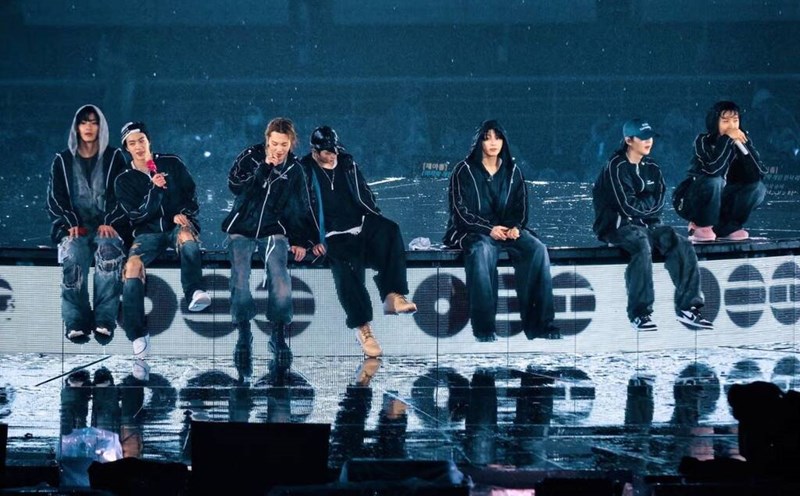
Online reactions ranged from disappointment to outright fury, with fans describing the situation as unfair and emotionally frustrating. Others defended the members, emphasising that their apology appeared to come from a place of empathy rather than obligation, and that they were likely attempting to ease tensions among attendees who had experienced a difficult start to the concert.
The incident has since fuelled wider discussion about event management standards in large-scale music productions, especially in cases involving globally recognised artists. Questions are being raised about how such delays can be prevented in the future, and whether clearer lines of accountability are needed when multiple organisations are involved in staging international tours.
As of now, neither HYBE nor the event organisers have provided a detailed breakdown of exactly what caused the chain of problems, leaving much of the narrative shaped by fan accounts and social media discussion. What remains clear, however, is that while the concert ultimately went ahead, the atmosphere surrounding its start left a lasting impact on both attendees and the online community.
For many fans, the memory of the night is now divided between the excitement of seeing BTS perform live and the frustration of how the event began. And while the members’ apologies were widely noted, the debate over responsibility shows no sign of fading anytime soon.