The South Korean drama Perfect Crown is currently facing a severe public backlash over accusations of historical distortion and cultural appropriation. As of May 26, a nationwide petition titled “Demanding the halt of a controversial series for distorting history and East Asian cultural elements, and removing all content from media platforms” has surpassed 50,000 signatures in just four days. Under South Korea’s National Assembly petition law, a submission that reaches the threshold of 50,000 signatures within 30 days must be formally referred to the relevant standing committee for review.
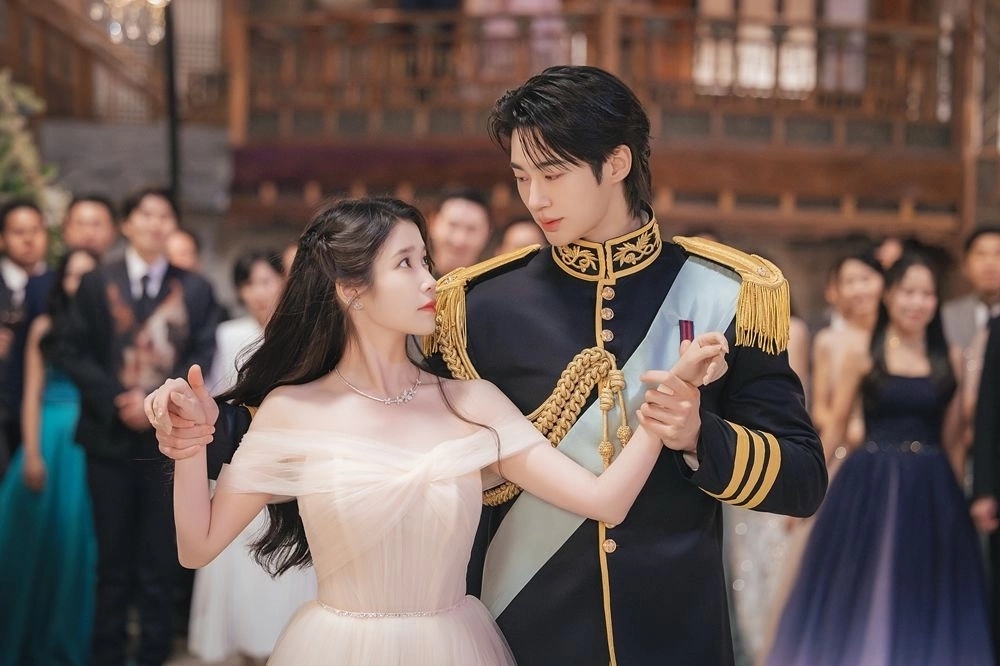
The petition demands the complete removal of Perfect Crown from broadcast and streaming platforms. Critics argue that although the series is set in a fictionalized version of the Korean Empire, it incorporates numerous elements strongly associated with Chinese culture—ranging from costumes and ceremonial practices to language—leading to claims of cultural misappropriation and historical inaccuracy.
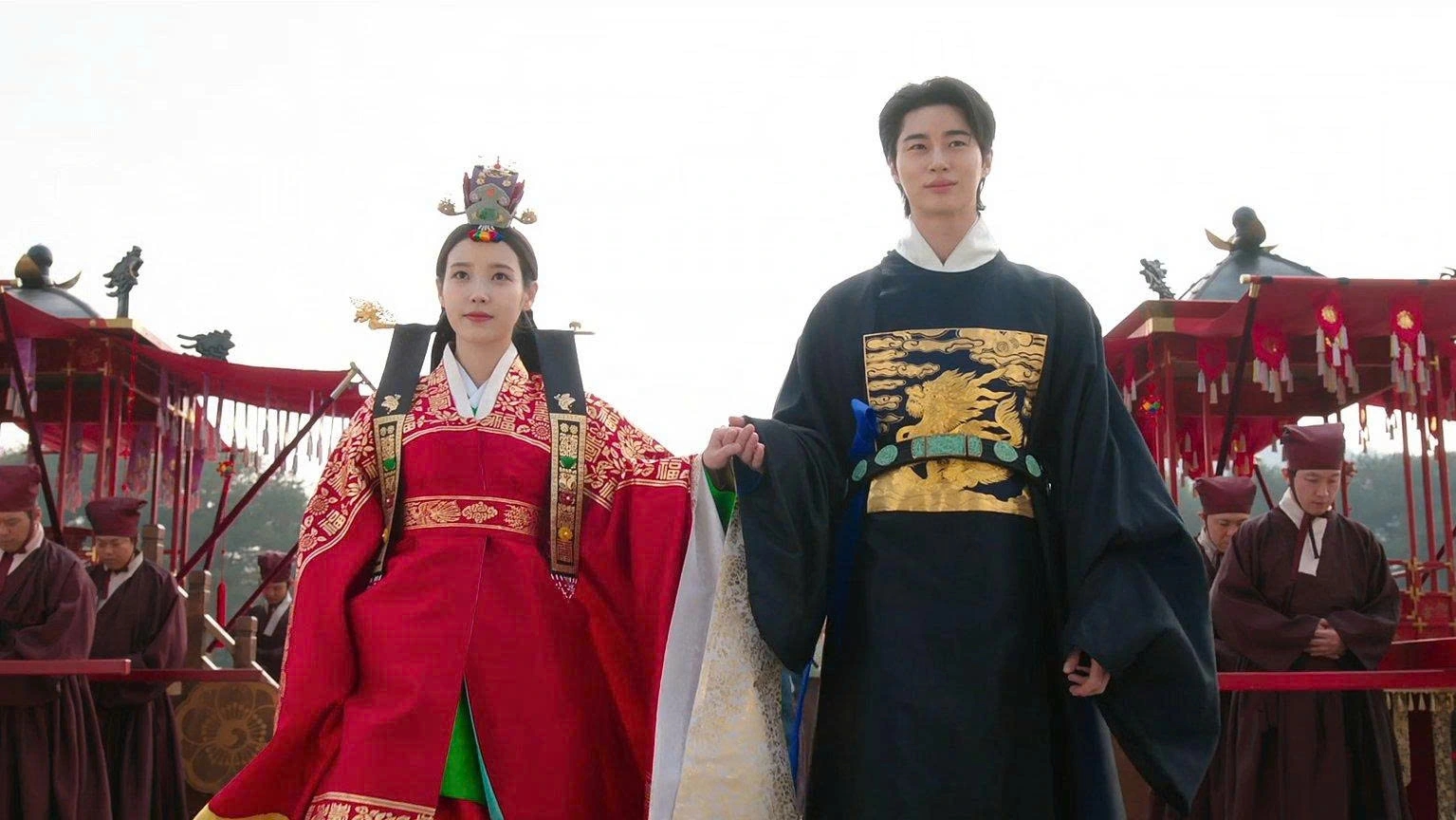
One of the most contentious points cited in the petition is the use of the term “Cheonsoe” as an official form of address within the royal family. Petitioners argue that this term historically implied the subordination of the Korean Empire to neighboring powers, effectively lowering the perceived status of the nation. Furthermore, the series has been criticized for including Chinese-style tea ceremonies in a Korean royal setting instead of traditional Korean tea rituals, without any contextual explanation.
The controversy extends to the depiction of royal regalia and attire. The series reportedly blends Joseon dynasty royal garments with symbols typically reserved for emperors, which critics say could mislead viewers about Korea’s historical and cultural traditions. Petitioners argue that these misrepresentations not only distort historical understanding but also harm the image of Korean culture internationally.
Despite these objections, the production team reportedly only announced plans to revise the audio and subtitles after the series began airing. Petitioners claim that continuing to broadcast the show without substantial corrections is offensive to the public and risks further cultural damage.
The petition not only calls for revisions but insists on an immediate halt to the broadcast and the removal of all content from OTT and VOD platforms. Signatories also urge the establishment of stronger legal mechanisms to prevent the release of media content that distorts historical or cultural facts in the future.
Under the current process, the petition regarding Perfect Crown will be forwarded to the relevant National Assembly committee for examination. Depending on the committee’s findings, the matter could proceed to a full parliamentary session or be escalated to government authorities for further action.
Adding to the production team’s challenges, the Ministry of Culture, Sports, and Tourism has begun reviewing whether Perfect Crown received public funding from the Korea Creative Content Agency (KOCCA). Reports indicate that the series was granted approximately 2 billion won (roughly 35 billion VND) in production support. Should the evaluation determine that the series failed to meet cultural accuracy standards, the production team may be required to repay the funding along with accrued interest.
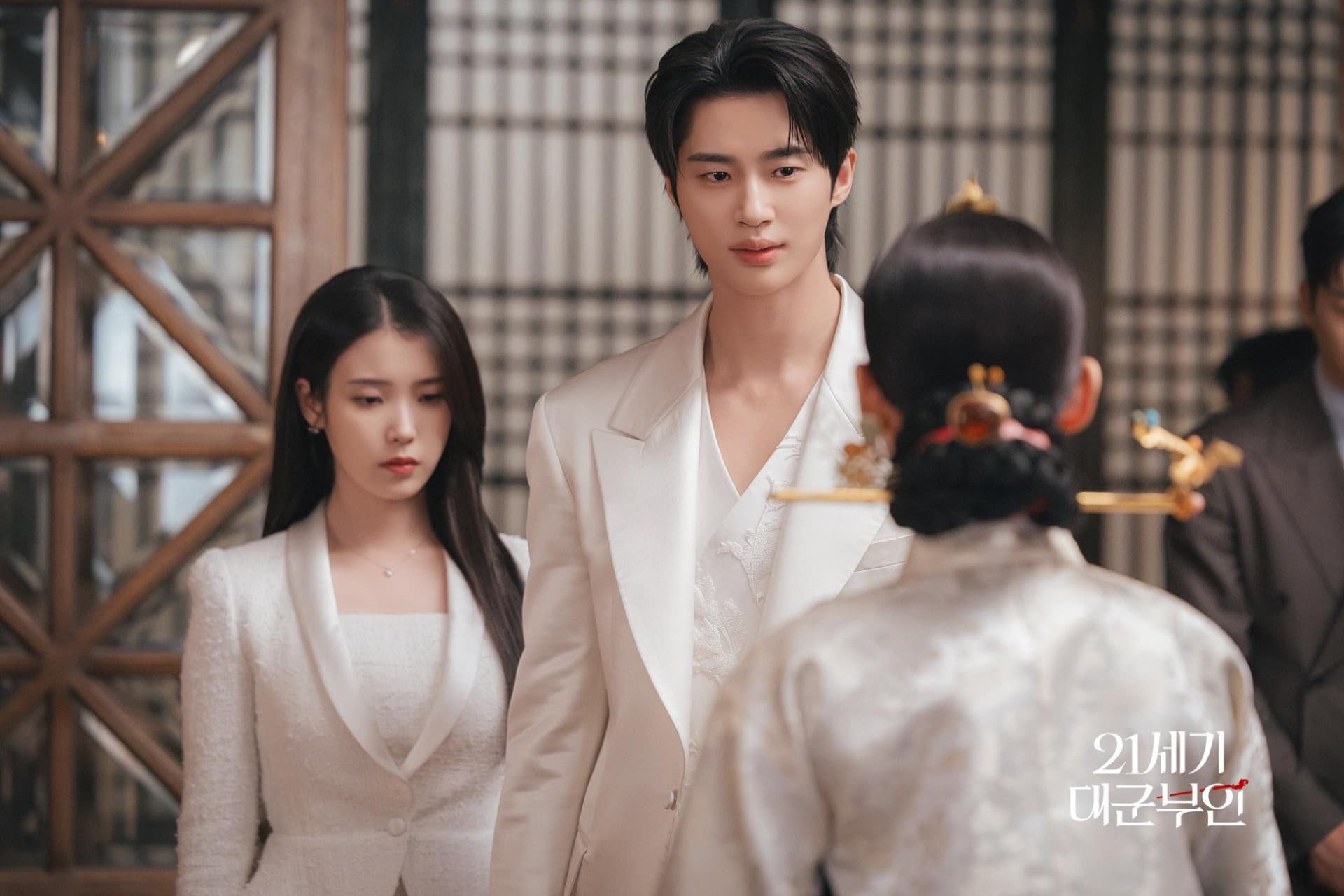
The dispute over Perfect Crown highlights growing public concern in South Korea over the portrayal of national history in media. It underscores the tensions that can arise when entertainment projects take creative liberties with historical settings, particularly when such liberties intersect with sensitive issues of national identity and cultural representation. As the petition moves through the National Assembly, the outcome could set a precedent for how similar controversies are addressed in the future, potentially influencing both content regulation and public discourse on cultural authenticity.
Public opinion on the matter remains strongly divided. While supporters of the petition emphasize the need to protect Korean history and cultural heritage from misrepresentation, others argue that creative adaptations should be granted artistic freedom, particularly in works set in fictional or alternate historical contexts. Regardless, the rapid accumulation of signatures indicates that Perfect Crown has struck a nerve with a significant segment of the population, compelling both lawmakers and cultural authorities to respond promptly.
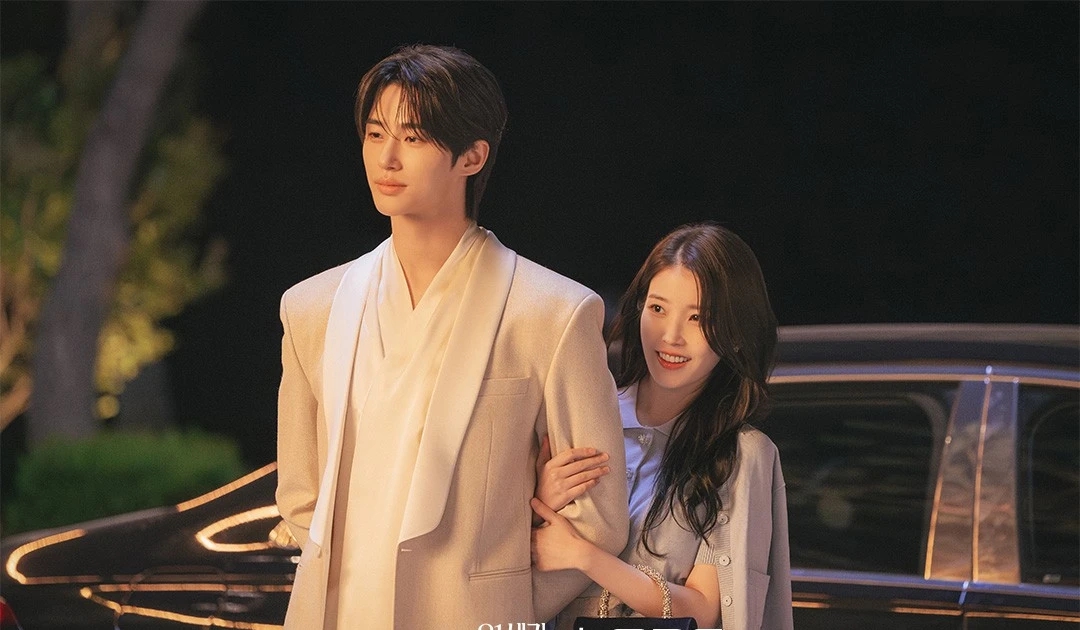
As of now, the fate of the series is uncertain. The National Assembly committee’s review, coupled with potential financial repercussions from KOCCA, places the production team in a precarious position. Whether the show will continue airing, undergo revisions, or be removed entirely depends on the pending legislative and regulatory decisions, as well as the evolving public debate surrounding historical accuracy in South Korean media.
The Perfect Crown controversy is likely to remain a major topic in South Korea’s cultural discourse, reflecting the ongoing struggle to balance creative storytelling with respect for historical integrity and national cultural identity.