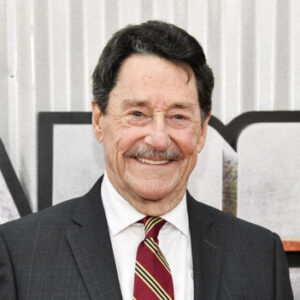
The professional bond between Thad Luckinbill and Taylor Sheridan is much deeper than their recent work on Lioness might suggest. Their connection stretches back more than a decade, to a period when Sheridan had not yet become the architect of one of television’s most recognizable creative empires. Over the years, the two have crossed paths through ambitious projects, shared professional circles, and a similar attraction to intense, character-driven storytelling. That history has taken on new significance following Luckinbill’s public interest in joining Landman, Sheridan’s drama centered on the ruthless and complicated world of the West Texas oil industry. For longtime followers of their careers, the possibility feels less like a random casting wish and more like the potential continuation of a creative relationship that began years ago.
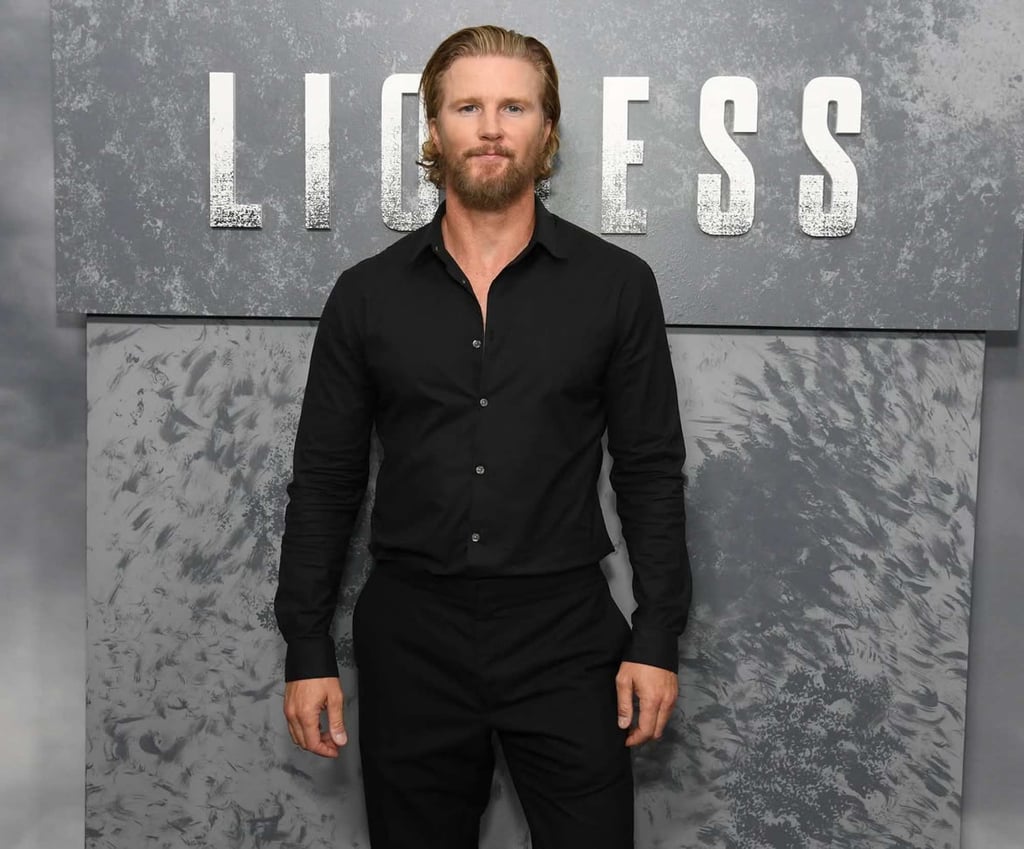
One of the most important chapters in that relationship can be traced to Sicario, the acclaimed 2015 crime thriller written by Sheridan. Luckinbill was involved with the film as one of its producers through Black Label Media, while Sheridan’s screenplay provided the foundation for the story. Their connection around Sicario came at a pivotal moment for both men. Sheridan was emerging as a major screenwriter capable of creating morally complex stories filled with tension, violence, and difficult choices, while Luckinbill was expanding his work behind the camera as a producer. What may have started as a professional introduction effectively became the beginning of a relationship that would remain relevant long after Sicario reached theaters. In hindsight, that early encounter arrived just before Sheridan’s career expanded dramatically.
The significance of that period becomes even clearer when viewed against Sheridan’s later success. After establishing himself as a screenwriter through projects such as Sicario and Hell or High Water, Sheridan moved increasingly into television, where he became associated with a growing collection of dramas built around power, family, loyalty, ambition, violence, and distinctly American environments. His success eventually transformed him from a respected writer into a creator whose name alone could generate enormous attention for a new series. Luckinbill therefore knew Sheridan before much of this television expansion occurred, giving their relationship a history that predates the massive audience now associated with Sheridan’s shows. That timeline is part of what makes their continuing connection particularly interesting.
Years later, the two found themselves professionally linked again through Special Ops: Lioness, commonly known simply as Lioness. This time, Luckinbill appeared on screen as Kyle McManus, entering a tense world of intelligence operations, covert missions, political pressure, and dangerous international conflicts. The project represented a different kind of collaboration from their earlier connection through Sicario. Luckinbill was no longer connected only from the production side; he was performing inside a television universe created by Sheridan. His role allowed audiences to see how naturally he could fit into the kind of hard-edged storytelling Sheridan has become known for, where characters frequently operate under extreme pressure and where personal relationships collide with professional responsibilities.

That experience also helps explain why Luckinbill’s interest in Landman has attracted attention. Sheridan’s oil-industry drama presents another world filled with powerful personalities, competing interests, enormous financial stakes, physical danger, and moral complications. Although its setting is very different from the covert military environment of Lioness, the series shares qualities that are familiar across Sheridan’s work: intense confrontations, complicated characters, shifting alliances, and people trying to survive inside systems much larger than themselves. For an actor already familiar with Sheridan’s storytelling style, stepping into this environment would not seem like an unnatural move. Luckinbill has made it clear that he would be interested in entering the world of Landman, immediately encouraging speculation about what kind of character he could potentially play.
The idea is especially intriguing because Luckinbill’s history with Sheridan gives the possibility more weight than an ordinary actor expressing interest in a successful television show. Their professional relationship has already survived different stages of both careers and different forms of collaboration. They were connected during Sheridan’s rise as a screenwriter and later reunited within the expanding television landscape he created. Because of that history, fans can reasonably imagine Luckinbill fitting into another Sheridan production, even though interest should not be confused with confirmation. There has been no need to invent a specific role or storyline to make the possibility compelling. The existing relationship between the two men already provides enough reason for viewers to wonder whether another collaboration could eventually happen.
A role in Landman could also offer Luckinbill an opportunity to explore a dramatically different environment while retaining the intensity associated with his work in Lioness. The oil business depicted in the series is not merely a corporate backdrop; it is a world where money, land, influence, family relationships, personal ambition, and physical risk can intersect. A performer comfortable portraying confident characters under pressure could potentially occupy many places within that landscape, whether as an executive, businessman, industry rival, fixer, investor, or another figure connected to the oil fields. Those possibilities remain hypothetical, but they demonstrate why the suggestion has generated enthusiasm. Sheridan’s fictional worlds often leave room for memorable supporting characters whose arrival can quickly disrupt existing relationships and alter the balance of power.

Ultimately, the renewed attention surrounding Thad Luckinbill and Taylor Sheridan is about more than whether Luckinbill will actually appear in Landman. It highlights a professional connection that has stretched across roughly a decade and several important stages of Sheridan’s career, beginning around Sicario and continuing through Lioness. Luckinbill’s expressed desire to enter Sheridan’s oil-industry drama has brought that history back into focus and reminded audiences that their creative connection existed long before Sheridan became one of television’s most prolific creators. Whether or not the idea eventually becomes reality, the possibility carries a natural sense of continuity: two collaborators whose paths first crossed during the rise of Sicario, reunited years later through Lioness, and who may still have another opportunity to work together in the unforgiving world of Landman.