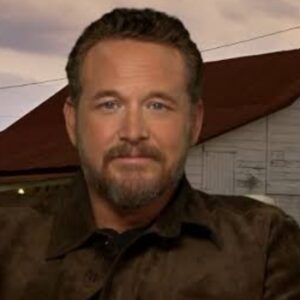
One of the most powerful relationships in The Pitt was never built around friendship in the conventional sense. Dr. Robby and Dr. Abbot understand each other because both know what it means to lead inside an emergency department while quietly carrying trauma that threatens to overwhelm them.
Season 2 appeared to bring them closer than ever. But Shawn Hatosy has now opened the door to a much more complicated possibility: the same similarities that allow Abbot to understand Robby could eventually put them on opposite sides.
According to an interview with Gold Derby, Hatosy believes Robby and Abbot could “absolutely” come into conflict. More importantly, Season 3 will begin several months after Season 2, leaving an unexplored period in which both men may have changed.
That possibility becomes particularly significant after the Season 2 finale.

Abbot had spent time watching Robby struggle and questioning where his motorcycle journey was really leading him. After the emergency resuscitative hysterotomy, however, their relationship reached a much deeper level.
Abbot spoke to Robby not simply as another doctor but as someone who understood what it means to survive experiences that refuse to disappear.
He reminded Robby of everything he himself had endured: combat, losing his leg and losing his wife. Yet Abbot explained that despite everything life can inflict on a person, he had refused to surrender.
“Life can suck,” Abbot tells him. It can be “unbearable and brutal and ugly and heartbreaking,” but also “beautiful and hilarious.”
The message becomes concrete through the patients they have just treated. The woman and her baby might both have ended up in the morgue without Robby.
“That’s what we’re here for.”
For Hatosy, the emotional value of that scene goes beyond Abbot offering Robby encouragement. Abbot is revealing his own trauma because Robby has almost nobody else capable of understanding what he is experiencing.
That performance helped earn Hatosy his second Emmy nomination for The Pitt. After winning as a guest actor last season, he is now competing as a supporting actor.
Abbot and Robby Are Mirrors — Not Opposites
Hatosy believes one reason Abbot expanded beyond the relatively minor character he was originally intended to be is that he became a mirror for Robby.
Both occupy positions of leadership. Both operate inside an intensely stressful environment. Both see how fragile the healthcare system can be and experience the psychological cost of working inside it.
Season 1 demonstrated that parallel in an especially dark way.
At the beginning, Abbot was the man on the roof, seemingly ready to jump. By the end, the emotional positions had effectively reversed as Robby reached his own breaking point.
For people accustomed to being responsible for everyone else, saying “Hey, I need help” can become extraordinarily difficult.
Robby and Abbot therefore have something rare: each other.
But being mirrors also means they are unusually well positioned to clash.
Hatosy points out that Abbot is, in many ways, Robby’s equal in authority and knowledge. Asked whether something could drive them apart, his response was immediate:
“Absolutely.”

He even hopes the show eventually explores those opportunities.
That would make a Robby-Abbot conflict fundamentally different from a typical workplace disagreement. These are two men who recognize each other’s weaknesses precisely because they share many of them.
Abbot Is Not “Fixed”
Season 2 also gives little reason to assume Abbot has permanently conquered his own demons.
Asked whether Abbot is actually improving or merely becoming better at hiding his problems, Hatosy described his condition as “up-and-down.”
Abbot needs work.
Quiet does not necessarily help him. After losing his wife, he may actually need reasons to leave his house, and the constant intensity of the ED provides exactly that.
There are genuine moments when he understands his purpose. But there are also darker feelings that can “creep up and send him to the roof.”
Hatosy describes Abbot as carrying enormous amounts of “hidden trauma.”

That makes Robby important to him too. Their relationship is not simply Abbot rescuing a troubled colleague. Robby can provide the same recognition in return — someone capable of effectively telling him, “I see you, brother.”
Season 3 Leaves a Mysterious Gap
Hatosy would reveal almost nothing about Season 3.
He has previously indicated that viewers will be surprised by how it begins, but when pressed for details, he responded:
“I’m not allowed to talk about it.”
He did, however, confirm one important fact.
Season 3 picks up roughly three or four months after Season 2, placing the characters in November.
That time jump matters because viewers will not necessarily see every stage of what happens to Robby and Abbot between seasons. Whatever emotional state they enter Season 3 with may already reflect months of unseen developments.
There could also be changes elsewhere in Abbot’s life.

With Dr. Mohan no longer on the show, Hatosy believes another relationship is possible because Abbot is naturally flirtatious, although he stressed that he has no knowledge of whether the writers will actually pursue one.
He is similarly enthusiastic about exploring more of Abbot’s night-shift world. Hatosy has discussed the possibility of a night-shift spinoff and believes there are plenty of reasons Abbot could also appear during daytime hours, especially difficult holiday weekends. Even without a full spinoff, he would like the show to spend more time examining the particular personalities attracted to working nights.
The Actor Behind Abbot Is Facing His Own Challenge
Abbot’s effortless medical confidence is somewhat ironic because Hatosy says the medical material remains one of the hardest parts of playing him.
Unlike some cast members, he did not receive the same extensive medical boot camp. He spends significant time practicing medical dialogue in front of a mirror, knowing that once he reaches the set, he may get only two rehearsals before the cameras roll.
At the same time, Hatosy has expanded his responsibilities behind the camera.
He directed Season 2’s Episode 9, “3:00 P.M.,” which included the arrival of Dr. Mel King’s sister in the ED. His experience as an actor helps him think about motivation, stakes and why characters behave as they do.
Yet directing The Pitt, he says, is not about reinventing its established visual identity. John Wells, DP JoJo Coelho and the production team have already created an extraordinarily intentional world extending from cinematography and costumes to props, medicine and background actors.
The director’s job is to “keep the wheels on.”
Sometimes literally everything threatens that plan.
During Season 2, Isa, who plays Dr. Santos, developed appendicitis and required an emergency appendectomy, forcing the production to change its schedule. That presented an unusual complication because The Pitt, unlike most television productions, shoots in sequence.
Hatosy learned that preparation only takes a director so far. Something will eventually go wrong, and when it does, he tries to behave like Abbot: even if he is panicking internally, externally he remains “calm and cool.”
The Pitt Has Become Bigger Than Hatosy Expected
Hatosy began recognizing Abbot’s online fandom near the end of Season 1, as old tweets resurfaced and TikTok edits appeared.
He describes The Pitt as “a rocket ship” that keeps going “up and up and up.” He finds that exciting — and occasionally frightening — because the series has grown into something massive.
He even enjoys the fan-fiction theories surrounding Abbot as long as the online culture remains healthy. Hatosy heard that fan fiction involving Abbot and Dr. Mohan had apparently been turned into something being sold and published, an idea he described as both “awesome” and “wild.”
Yet neither fandom nor awards appear to be the achievement he considers most important.
With 13 acting nominations demonstrating the strength of the ensemble, The Pitt has received enormous industry recognition. But Hatosy remains focused on the healthcare workers the series portrays: the pressures they experience, the fragility of the system around them and the toll that work can take.
That may also explain why Robby and Abbot have become so important.
They are not superheroes immune to the suffering surrounding them. They are two leaders trying to keep other people alive while occasionally struggling to keep themselves together.
Season 2 showed why they may need each other.
Season 3 could reveal what happens when two men who understand each other better than almost anyone else suddenly discover that understanding someone does not always mean agreeing with them.