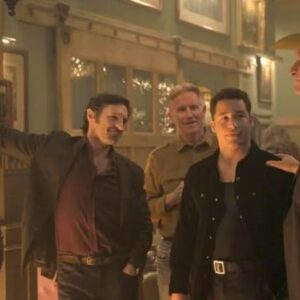
When best-selling author Harlan Coben arrived on set for a pivotal night shoot in his Netflix limited series I Will Find You, he was filled with doubt. The location was none other than New York City’s iconic Times Square, and the clock was approaching midnight. Coben, whose novel serves as the basis for the eight-episode thriller now streaming on Netflix, turned to showrunner Robert Hull with a pressing question: “How are we possibly going to do this?”
His concern was understandable. Times Square is one of the busiest places on Earth, even late at night. Clearing the area for filming seemed like an impossible task. Yet somehow, the production team made it work — and the result is one of the most memorable scenes in the series.
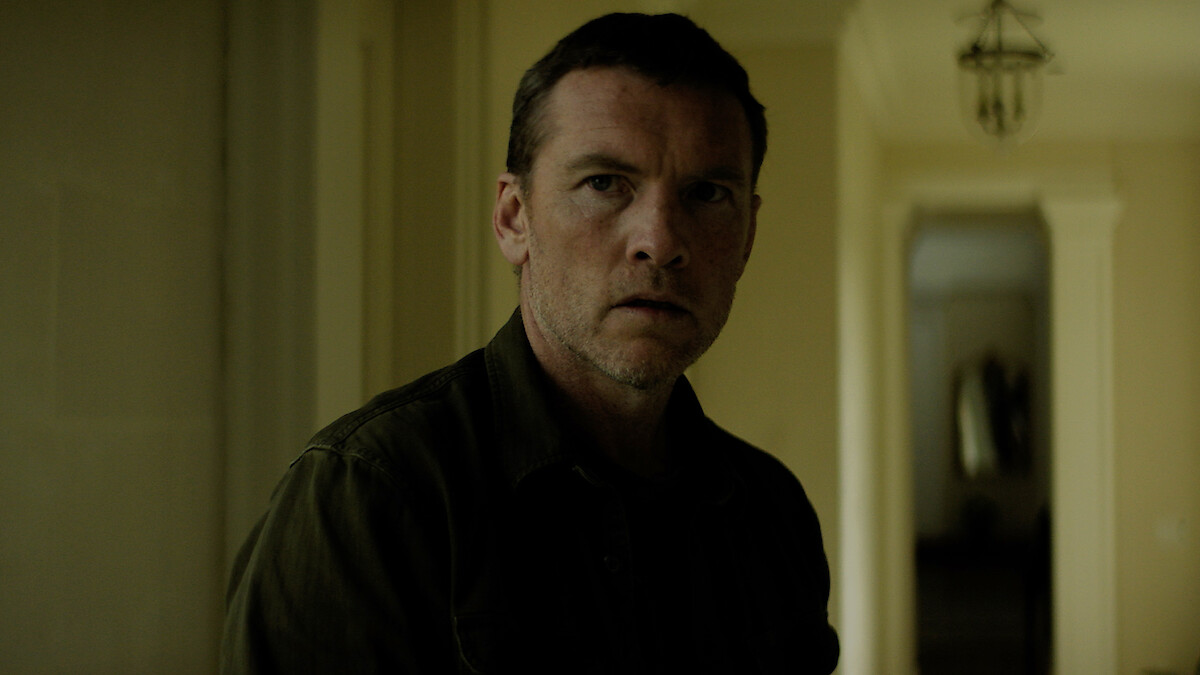
The scene in question is crucial to the story. Sam Worthington’s character, David Burroughs, has just broken out of prison after being wrongly convicted of murdering his young son. Armed with new evidence that his child may still be alive, David teams up with his ex-sister-in-law Rachel Mills, played by Britt Lower. In a disorienting leap from confinement to chaos, Rachel brings him straight to the heart of Times Square to obtain a burner phone.

“We wanted to put him in the most crowded cacophony of sounds and sights,” Hull explained. The goal was to capture David’s overwhelming re-entry into the real world after years behind bars. The bright lights, blaring noises, and constant movement of the crowd create a visceral sensory overload that perfectly mirrors his psychological state.
What makes the scene even more impressive is that the “extras” filling the square weren’t extras at all. They were real New Yorkers going about their night. “These extras look so real,” Hull recalled hearing on set, before realising, “They’re just real. They’re not extras.” The cooperation of the public became an unexpected asset, adding authenticity that would have been difficult to replicate with a controlled crowd.
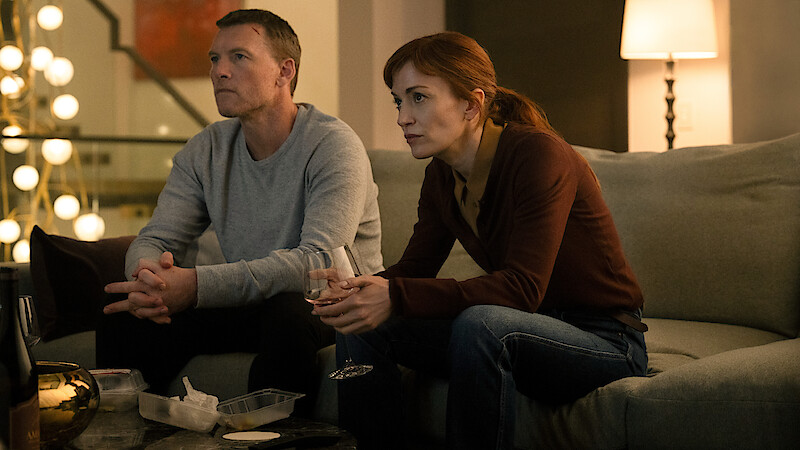
The timing of the shoot added another layer of complexity. Every night at midnight, Times Square hosts its famous “midnight moment,” during which the massive digital billboards synchronise to display contemporary digital art. The crew had to wait for this spectacle to finish before they could begin filming. Once the billboards returned to their usual barrage of advertisements, the cameras rolled on Worthington and Lower navigating the neon-drenched chaos.
Worthington, 49, who has lived in New York for decades, admitted that even he finds Times Square overwhelming at times. For his character, freshly escaped from prison, the effect was magnified. “Imagine what it’s like if you’ve been locked up,” he said. “It’s going to be too much. It’s going to be a visceral reaction; it’s a sickness.”
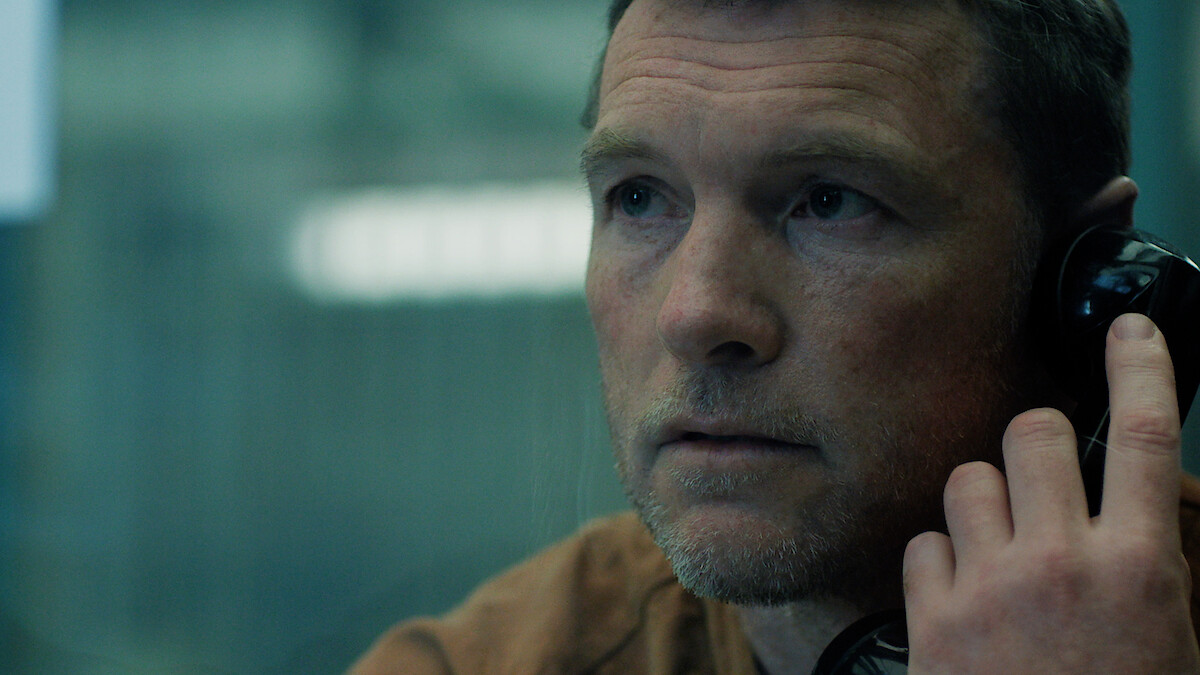
The actor delivered a powerful performance with almost no dialogue, relying entirely on physicality and facial expressions to convey David’s disorientation. Hull praised the moment as “a real testament to Sam’s performance,” noting how compelling it is simply to watch him absorb the environment.
Lower, 40, also recalled the challenging night shoot vividly. While night shoots often leave actors exhausted by morning, she found herself wide awake, partly due to the relentless glow of the billboards. “I remember being wide awake and just being so hungry for a burger,” she said with a laugh. “There must have been burger ads everywhere.”
The scene also provides a moment of levity amid the tension. David confesses to Rachel that he’s overwhelmed and has “kind of forgot what real life looks like.” Her deadpan reply — referencing a dog wearing a Gucci sweater — perfectly captures the absurdity of modern life in the city.
Beyond the technical difficulties, the sequence serves a deeper narrative purpose. It highlights the shifting dynamic between the two lead characters. While David is often positioned as vulnerable and out of his depth — something Worthington describes as his character playing “the damsel in distress” — Rachel emerges as the driven, heroic figure guiding him forward. Their partnership forms the emotional core of the series as they race to uncover the truth about David’s son.
Filming the scene at the end of production allowed the actors to bring the full weight of their characters’ journeys to the moment. By then, Worthington and Lower had deeply immersed themselves in their roles, making the raw emotions feel genuine.
For Coben, seeing the scene come together was a relief and a thrill. What had seemed logistically impossible became one of the standout visual moments of I Will Find You. The bright chaos of Times Square contrasts powerfully with the dark prison world David left behind, visually reinforcing themes of freedom, disorientation, and the search for truth.
The success of the sequence also speaks to the broader ambition of the production. Adapting Coben’s tightly plotted novel for the screen required balancing suspense, character development, and cinematic spectacle. Securing a location as iconic and unpredictable as Times Square at midnight was a bold choice that ultimately paid off.
As viewers stream I Will Find You, many will find themselves captivated by that dizzying Times Square sequence — unaware of the logistical hurdles, real-time crowd management, and creative determination it took to bring it to life. What almost didn’t happen has become one of the most talked-about moments in the series, perfectly capturing the overwhelming reality of a man stepping back into a world that moved on without him.
In the end, the scene stands as a testament to both the challenges of big-city filmmaking and the power of authentic storytelling. Sometimes, the hardest scenes to shoot are the ones that resonate most deeply with audiences.