A resurfaced fancam of 2NE1’s Park Bom has unexpectedly reignited a heated debate, but the discussion quickly became about far more than one performance. The clip, which was recently brought back into the spotlight, shows Park Bom performing during the halftime show of a friendly soccer match between Tottenham Hotspur and Newcastle United at Seoul World Cup Stadium last year. Wearing a leather mini dress, the singer delivered her familiar vocals while appearing relaxed and smiling in front of the audience. Yet instead of focusing primarily on her performance, some online commenters immediately turned their attention toward perceived changes in her appearance, triggering another wave of scrutiny around the veteran idol.
The controversy illustrates one of the most uncomfortable realities surrounding long-established K-pop stars: even when an artist returns to the stage and demonstrates that her defining talent remains intact, public discussion can quickly become dominated by appearance. In Park Bom’s case, the resurfaced footage prompted some netizens to criticize what they believed were changes around her eyes and face, with several comments expressing concern that she had undergone too much cosmetic alteration. Some reactions were harsh enough to suggest that her appearance was frightening or that someone close to her should intervene. Although these comments were framed by some users as expressions of concern, their cumulative effect was undeniably judgmental, reducing a complex performer to speculation about her physical appearance.

At the same time, another group of viewers strongly rejected that narrative and redirected attention toward what Park Bom was actually doing onstage. Supporters emphasized that her vocals remained distinctive and praised her for continuing to perform despite the intense scrutiny surrounding her. Some fans urged others to ignore malicious comments and focus on her health and well-being rather than dissecting her face. That reaction is important because Park Bom’s voice has always been one of the defining elements of 2NE1’s identity, and the resurfaced performance offered evidence that audiences still recognize that musical connection. In other words, while critics were discussing her appearance, supporters were hearing the artist they had loved for years.
The debate becomes even more complicated because Park Bom has experienced years of public scrutiny surrounding both her career and personal life. Koreaboo notes that she previously stepped away from activities because of health-related issues and has subsequently faced controversy over social-media posts and remarks involving other public figures and former agency personnel. Those incidents have contributed to a complicated public image in which almost every new appearance can become part of a much larger conversation about her well-being. However, past controversies should not automatically determine how audiences interpret every new performance. Treating every appearance as evidence of another problem risks creating a cycle in which Park Bom is never allowed to simply exist as a performer.
The most striking aspect of the current debate may therefore be the contradiction between what happened onstage and what happened online. At the venue, Park Bom reportedly received cheers from the audience while delivering stable live vocals and appearing comfortable during the performance. Once the footage was redistributed online, however, the conversation shifted toward whether she looked different from the Park Bom audiences remembered from 2NE1’s peak years. This contrast reveals how dramatically social-media circulation can change the meaning of a performance. A singer can walk offstage having successfully entertained a live audience, only to discover that an edited clip has become a referendum on her appearance rather than her artistry.
That phenomenon is particularly harsh for artists who debuted many years ago. Park Bom is no longer the same person she was during 2NE1’s early career, and expecting her to remain visually frozen in that period is inherently unrealistic. Time, age, styling, health, personal choices and changing beauty standards can all influence how a performer looks. Yet K-pop fandom culture often preserves extremely specific visual memories of idols, making any visible change immediately noticeable and vulnerable to comparison. For Park Bom, this means that even a routine stage appearance can trigger an implicit question from viewers: why does she not look exactly as she did years ago?
There is also a broader issue concerning the way the word “concern” is used online. Some people genuinely appear worried about Park Bom, and concern for an artist’s well-being is not inherently inappropriate. However, repeatedly speculating about cosmetic procedures, physical health or mental state based solely on footage can cross an important boundary. A viewer cannot reliably determine someone’s medical condition or personal circumstances simply by watching a fancam. The responsible response is therefore to distinguish between compassion and diagnosis, because concern becomes harmful when it turns into unsupported conclusions about a person’s health.
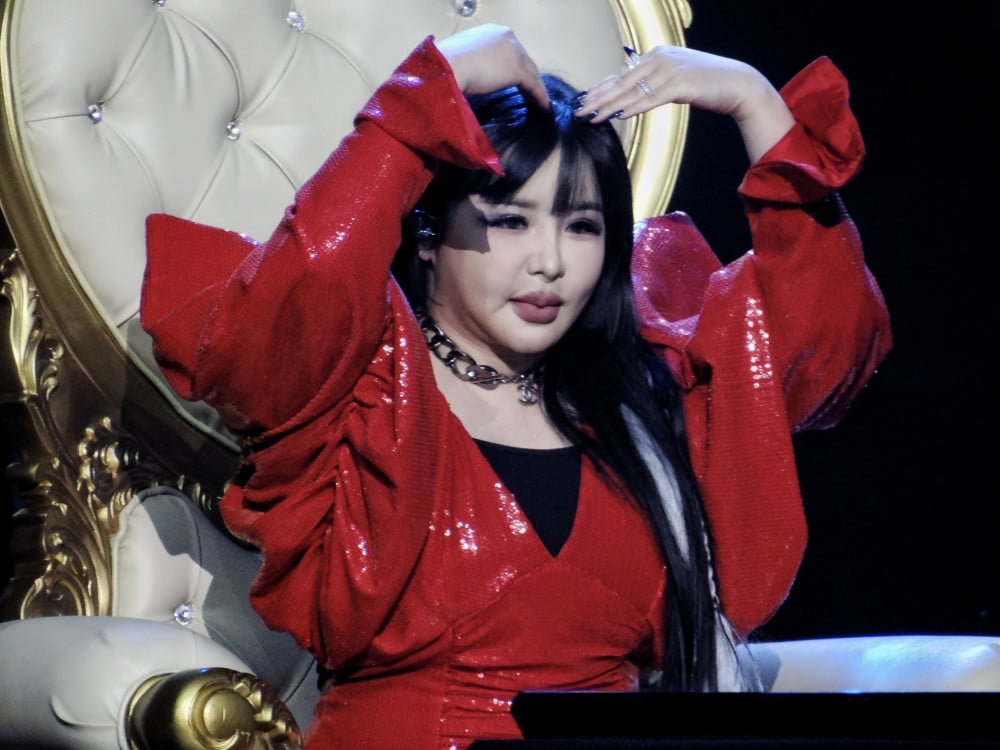
Park Bom’s supporters appear to understand that distinction, which is why many of the positive reactions focus on encouragement rather than attempting to explain her appearance. Their comments celebrate her voice, wish her continued health and encourage her not to be affected by hostile remarks. That approach offers a more constructive way to engage with a veteran artist who has spent years under public scrutiny. Instead of demanding that Park Bom justify every change in her appearance, fans can acknowledge that she is an adult performer with the right to decide how she presents herself. Most importantly, they can evaluate her work based on what she actually brings to the stage.
The resurfacing of the fancam also highlights the unusual relationship between nostalgia and celebrity culture. Park Bom is inseparable from the legacy of 2NE1, a group whose music and visual identity remain deeply influential among K-pop fans. Because of that history, audiences naturally compare the present-day Park Bom with the singer they remember from the group’s most iconic years. Nostalgia can be affectionate, but it can also become restrictive when fans expect an artist to remain permanently associated with one particular image. The irony is that celebrating Park Bom’s legacy should arguably give her more freedom to evolve, not less.
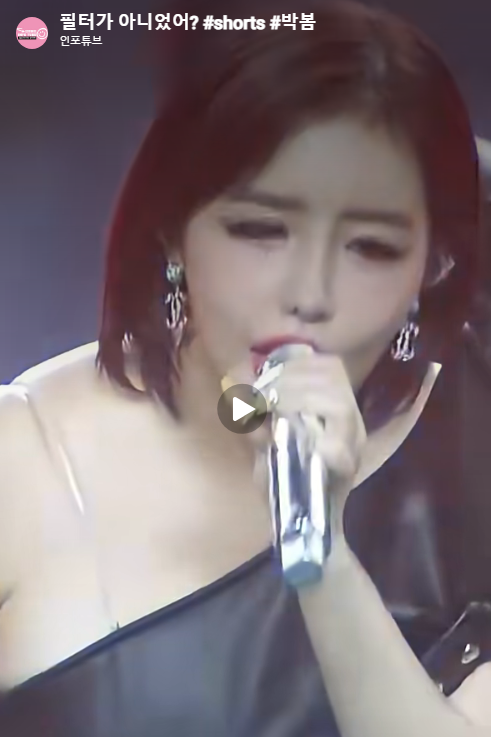
There is another layer to the story in Park Bom’s recent creative activity. Koreaboo reported that she released the self-composed song “Letter” after saying that someone was repeatedly hacking and attempting to take her song, prompting her to upload it in advance. Whatever the circumstances surrounding that statement, the episode reinforces the fact that Park Bom remains creatively active and interested in putting her own work into the world. That matters because it shifts the conversation away from whether she resembles her younger self and toward what she is actually creating now. An artist’s relevance should not depend exclusively on whether she can reproduce the visual image associated with her debut era.
Ultimately, the unexpected debate surrounding Park Bom’s fancam says as much about modern celebrity culture as it does about Park Bom herself. A performance that originally drew cheers for her vocals and relaxed stage presence was transformed after resurfacing online into a discussion about cosmetic procedures, facial changes and speculation about her well-being. That transformation demonstrates how easily social media can strip a performance of its original context and replace it with a controversy built around a few seconds of visual footage. It also shows why veteran female idols often face a particularly unforgiving standard, where aging or changing appearance can overshadow years of artistic contribution.
Park Bom deserves to be judged fairly, and that means acknowledging both sides of the conversation without turning speculation into fact. It is legitimate for audiences to notice that an artist looks different, but it is not responsible to assume the reasons behind those changes or publicly diagnose what they might mean. At the same time, genuine concern should not be dismissed simply because criticism is uncomfortable; fans can care about an artist while still refusing to speculate beyond what is known. The healthiest response is to leave personal medical and cosmetic decisions to Park Bom herself and focus on the information that can actually be evaluated: her music, her performances and her own words. The resurfaced fancam may have triggered an unexpected debate, but perhaps the more meaningful takeaway is that after all these years, Park Bom is still capable of making people stop, watch and talk—and her voice remains the part of her artistry that fans continue to recognize instantly.