A viral TikTok accusing BTS of plagiarism has reignited an old question about where musical influence ends and copying begins. The video uses “#BTSdisband” while presenting alleged similarities between BTS songs and older Western tracks. Examples include “IDOL,” “No More Dream,” and “Butter,” with the latter compared to Luca’s “you got me down.” Because the clips are edited for contrast, viewers are encouraged to notice resemblance before considering the complicated mechanics behind songwriting, interpolation, sampling, and genre conventions. That framing matters because a short-form video can compress a complicated copyright question into a simple accusation that feels understandable. The debate is therefore about BTS. Social media turns musical analysis into an emotional verdict.
The striking feature is the certainty created by the video’s presentation. By placing sections of songs beside one another, the creator gives viewers a sensory comparison that can feel more persuasive than evidence. Similar melodies, rhythms, arrangements, or vocal patterns can sound suspicious, but resemblance alone does not automatically establish plagiarism. Pop music has always developed through shared influences, recurring structures, genre habits, references, and deliberate borrowing. The challenge is determining whether a similarity is coincidental, stylistic, legally cleared, or genuinely problematic. Without that distinction, the hashtag becomes a conclusion before the underlying musical questions have been examined.
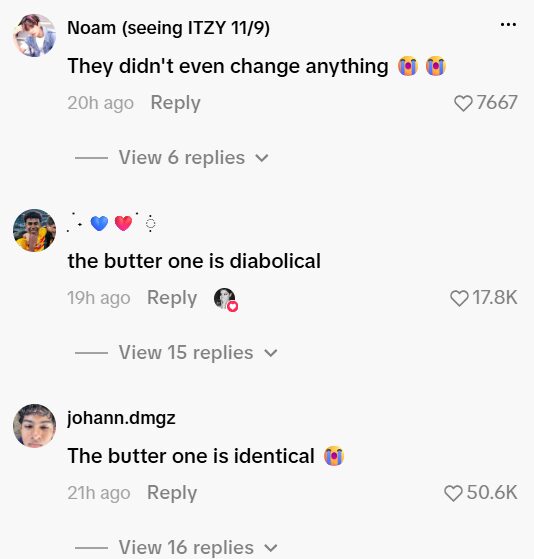
“Butter” appears to have become the flashpoint because commenters were particularly surprised by its similarity to Luca’s “you got me down.” The reaction shows how quickly a BTS hit can be recontextualized by an older comparison. Some viewers find the comparison obvious. Others point out that sampling and musical borrowing are common across the industry. Neither reaction by itself settles what happened with the song. What matters is whether there is evidence about composition, credits, permissions, or the creative process behind the recordings. The viral format encourages certainty before details enter the conversation.
The hashtag “#BTSdisband” also changes the meaning of the discussion because it turns a musical allegation into a demand about the group’s existence. Criticizing a song and calling for an internationally successful group to disappear are different levels of response. The latter transforms an artistic dispute into fandom warfare, where the goal can become humiliation rather than investigation. That makes discussion harder because supporters may defend BTS instead of individual claims. Critics, meanwhile, may interpret every defense as proof that fans are unwilling to acknowledge wrongdoing. The controversy becomes less about music itself and more about which community controls the narrative.
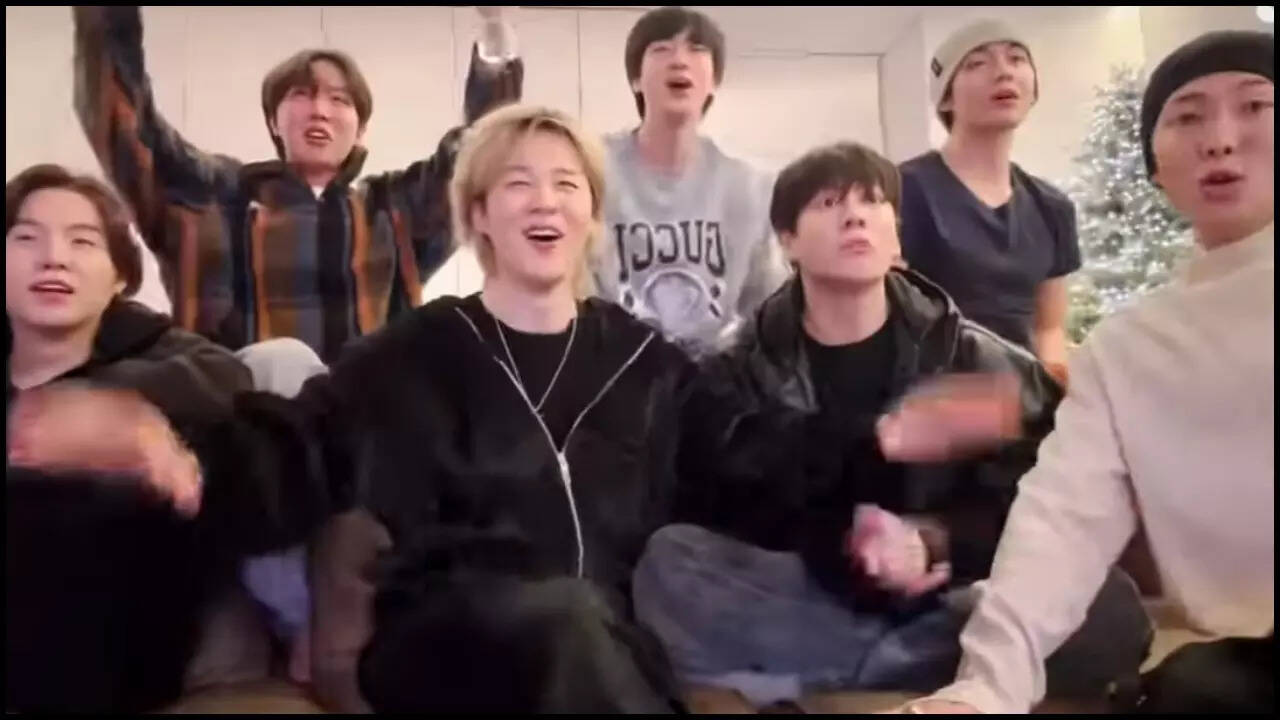
The mixed reactions are revealing because they expose two competing ideas about accountability. One side sees the alleged similarities as evidence that major artists should face the same scrutiny as everyone else. The other side argues that musical resemblance is common and that accusations require context before they become moral judgments. Both positions can coexist if listeners distinguish legitimate criticism from unsupported conclusions. BTS’s scale makes that distinction important because anything involving the group can become enormous within minutes. A claim directed at a smaller artist might remain niche, while the same allegation involving BTS can spread across platforms and become part of a much larger cultural argument.
There is also a psychological reason these videos perform well: they offer viewers the satisfaction of discovering something hidden. The creator is telling the audience, “You were not supposed to notice this,” which turns listening into investigation. Once viewers accept that framing, every matching beat can feel like another piece of a puzzle. Algorithms then reward the strongest reactions, not necessarily the most careful explanations. Anger, disbelief, and accusations create comments and shares, which push the content toward more viewers. The platform therefore amplifies confidence and conflict even when the original evidence remains open to interpretation.

For BTS, the controversy illustrates the unusual burden of operating at scale. Their songs are heard by huge audiences, dissected by fans, critics, musicians, and casual listeners, and compared with material from different eras. That attention produces legitimate criticism alongside exaggerated claims. The group cannot prevent every comparison, nor can every viral accusation be treated as meaningless. A healthier standard examines evidence without leaping from similarity to guilt. The controversy could encourage more sophisticated conversations about how modern listeners understand originality, especially when popular music is built from decades of interconnected influences.
The debate also exposes an interesting contradiction within online fandom culture. Fans often demand that their favorite artists be judged fairly, yet the speed of social media can make fairness difficult because responses arrive before facts are established. Critics can make the opposite mistake by treating a compelling edit as though it were a complete investigation. Both sides are vulnerable to confirmation bias, especially when they already have feelings about BTS. Once a person chooses a position, clips are often interpreted as supporting evidence rather than information that might complicate the story. The result is a conversation where certainty outpaces knowledge.
None of this means allegations of plagiarism should be dismissed because BTS are successful. Major artists deserve scrutiny, and audiences are entitled to question creative decisions when credible evidence raises concerns. A viral TikTok cannot determine legal responsibility, artistic intent, or a song’s history. Those questions require more than matching audio clips and a provocative hashtag. They require attention to songwriting credits, documented influences, production history, and available statements from relevant creators. Until that context exists, the responsible position is to treat the video as an allegation and discussion starter, not a final verdict.
Ultimately, the viral BTS TikTok is powerful because it packages a complicated issue into an emotionally irresistible story. The hashtag suggests disbandment, the comparisons suggest discovery, and the comment section supplies an immediate battle between defenders and critics. Yet the most interesting question is not whether viewers can hear similarities, because they clearly can. The deeper question is what those similarities mean and whether evidence supports the accusation. BTS’s fame guarantees that such debates will attract attention, making careful interpretation more valuable. For now, the controversy demonstrates how easily a few edited musical comparisons can become a global argument about originality, accountability, fandom, and power.