i-dle’s Miyeon has found herself at the center of a government review, but the controversy is less dramatic than the headline implies. A citizen complained about a YouTube video showing the singer undergoing a health checkup, raising questions about South Korea’s medical advertising rules. The complaint does not mean Miyeon has been found guilty, because authorities are only being asked to determine whether regulations were breached. The dispute concerns what was shown on camera rather than any confirmed promotional deal. A celebrity health vlog has unexpectedly become a test of how medical content is presented online today. It also shows how easily creator content can collide with regulations.
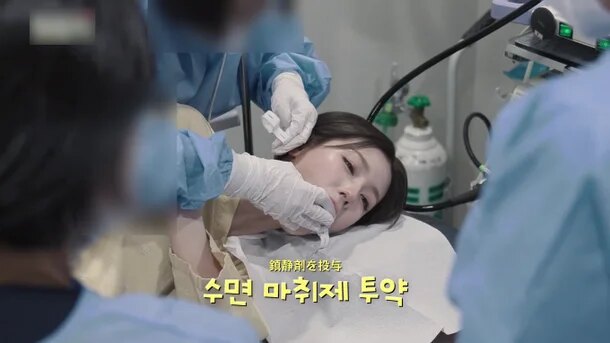
The issue began after Miyeon uploaded a YouTube video on September 1, documenting her comprehensive medical checkup after turning 30. The footage included moments surrounding a gastric endoscopy, including scenes filmed before and after she received sedatives. Those details appeared within a personal vlog rather than an obvious commercial endorsement. However, a complainant identified as “A” argued that the video potentially crossed a legal line because the medical institution was partially identifiable. The complaint was reportedly submitted to the Yongsan Public Health Center on September 8. “A” asked authorities to examine whether the content complied with advertising regulations.
According to the complaint, the facility’s name, medical staff, and interior spaces could be recognized in her footage. “A” questioned whether displaying those elements could amount to advertising under the Medical Service Act, even without viewers being encouraged to visit. The complainant also asked officials to identify any advertiser and determine how much the medical facility participated in producing the content. Korean advertising rules can treat information about institutions or medical practices as advertising beyond traditional paid commercials. The complaint focuses not only on money changing hands, but also on how information reached viewers. Influencer-style content can enter legally sensitive territory even when it feels personal.

Another point raised by the complainant involved wording displayed inside the facility. A board reportedly described the establishment as a “Health Checkup Center: Specialized Hospital for Gastric Endoscopy and Colonoscopy,” while public records allegedly identified the facility as a clinic. “A” asked authorities to determine whether the institution could legally use the “specialized hospital” designation when the video was published. That allegation is separate from whether Miyeon’s video itself constituted medical advertising. It expands the review from the idol’s footage to the institution’s presentation and regulatory status. The eventual assessment could involve several questions rather than a simple judgment about Miyeon.
Miyeon’s production team has offered an important clarification about the situation. They stated that they received no financial compensation from the facility and had no intention of promoting it through the vlog. The partial exposure of the institution’s name was described as an accidental oversight rather than deliberate advertising. The team apologized and later edited the video to blur the information more thoroughly. That response does not automatically settle the legal question, because payment may not be necessary for content to qualify as medical advertising. Still, there is currently no evidence of a paid sponsorship behind the video.

The legal issue becomes more interesting when viewed through modern social media. Traditional advertising is recognizable because a company pays for a promotional message, while personal vlogs blur experience-sharing and endorsement. A celebrity showing a hospital, describing a procedure, and leaving the institution identifiable can look natural while raising regulatory questions. Korean medical advertising rules are designed partly to prevent misleading promotion or improper exposure of medical services. That helps explain why authorities may examine content lacking an obvious commercial transaction. Yet applying advertising concepts to creator footage can create uncertainty for celebrities and production teams.
For Miyeon, the controversy is notable because her video appears framed around a personal milestone rather than a medical recommendation. Turning 30 gave the vlog a natural narrative, while a comprehensive checkup offered fans access. The endoscopy footage also made the video more intimate than a promotional appearance, showing a vulnerable side of an idol. That context may explain why the production team insists there was no intention to advertise the facility. Yet authenticity can create complications when recognizable businesses or regulated services appear inside content. The case shows that sincerity and legal compliance are not always identical.

The Yongsan Public Health Center will review the complaint and determine whether further action is warranted. Authorities will reportedly examine whether the video amounted to medical advertising and whether showing the procedure and sedation was appropriate under relevant rules. They may also consider the facility’s use of the “specialized hospital” wording that appeared in the footage. A review is not the same as a finding of wrongdoing, and reports do not establish that Miyeon violated the law. The process is an assessment of whether the circumstances fall within existing medical advertising restrictions. Until it is completed, claims about punishment or liability would be premature.
The story also reveals a tension between South Korea’s regulatory framework and the evolving creator economy. Idols now produce YouTube videos mixing entertainment, lifestyle, travel, food, wellness, and personal storytelling in ways television rarely allowed. Those videos can attract attention without resembling conventional advertisements, especially when businesses appear naturally in the background. As celebrity content becomes more immersive, the boundary between documentation and promotion becomes harder to police. Miyeon’s case matters beyond one idol because a harmless clip can trigger questions about disclosure, advertising, and responsibility. For creators, the lesson is clear: accidental exposure can still matter when industries are regulated.
For fans, the main takeaway is that Miyeon has not been found to have broken the law. A citizen submitted a complaint, the production team denied receiving payment or intending promotion, and authorities are reviewing the circumstances. Those facts leave considerable distance between an allegation and a proven violation. The controversy may end without consequences if regulators conclude that the exposure was accidental and not prohibited advertising. It could encourage companies to strengthen privacy and compliance checks when idols film inside hospitals or clinics. Miyeon’s legal spotlight shows how quickly K-pop content can become a regulatory conversation online.