Actress Shin Se Kyung’s victory in the Best Supporting Actress category at the 62nd Baeksang Arts Awards has unexpectedly become one of the most debated moments of the prestigious ceremony. On May 8, 2026, the 36-year-old star took home the award for her performance in the film Humint, directed by Ryoo Seung Wan. While Shin appeared genuinely surprised and emotional during her acceptance speech, admitting she “never expected” to win, the decision quickly divided netizens and sparked intense online discussions.
Humint, a spy thriller, received mixed reviews upon release, with some criticism directed at its portrayal of female characters. Despite this, the film secured recognition through Shin’s supporting role. Many industry observers and audiences had anticipated a different outcome, believing veteran actress Yeom Hye Ran stood a stronger chance for her work in No Other Choice. Other notable nominees included Jang Hye Jin for The World of Love and Jeon Mi Do, all of whom were considered formidable contenders in a highly competitive category.
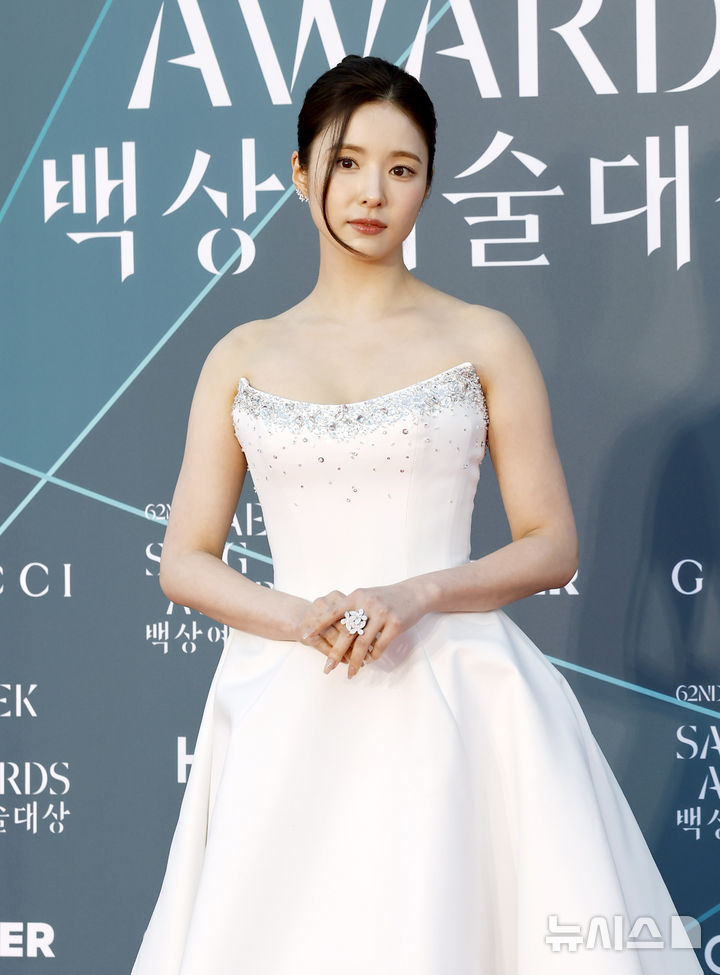
The backlash unfolded rapidly across Korean online communities. A single post questioning the result gained significant traction, accumulating hundreds of comments that reflected widespread confusion and disappointment. Netizens expressed sentiments such as “This is ridiculous. I seriously don’t understand” and “This really ain’t it.” Some suggested the win felt like an obligation to award Humint something, given its connection to a prominent director. Others pointed out that the movie had underperformed both critically and commercially, making the choice even harder to justify.
A recurring theme in the criticism involved the perception that the Baeksang Awards sometimes favour films from well-known directors regardless of broader reception. Comments like “She won it because it was a Ryoo Seung Wan movie” and references to previous awards for his works, such as Veteran 2, highlighted this belief. Additionally, the film’s alleged regressive treatment of female characters added another layer of irony and frustration for some viewers who felt the award overlooked stronger performances elsewhere.
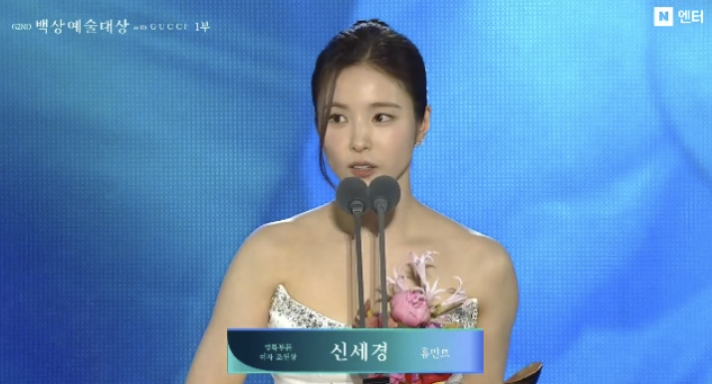
Despite the strong negative reactions, Shin Se Kyung also received support from fans who defended her personally. Many emphasised that the actress should not be the target of criticism, noting her long and respectable career spanning over two decades. Supporters argued that she delivered a solid performance and deserved recognition for her consistent efforts in both film and television. Her humble reaction on stage further endeared her to those who appreciated her sincerity and professionalism.
This controversy sheds light on broader issues within the Korean awards system. The Baeksang Arts Awards, often regarded as the country’s equivalent to the Golden Globes, aim to celebrate excellence across film, television, and theatre. However, decisions in certain categories frequently spark debate about whether artistic merit, commercial success, or industry connections carry the most weight. In Shin’s case, the discussion has extended beyond her individual win to questions about how awards reflect or ignore public opinion.
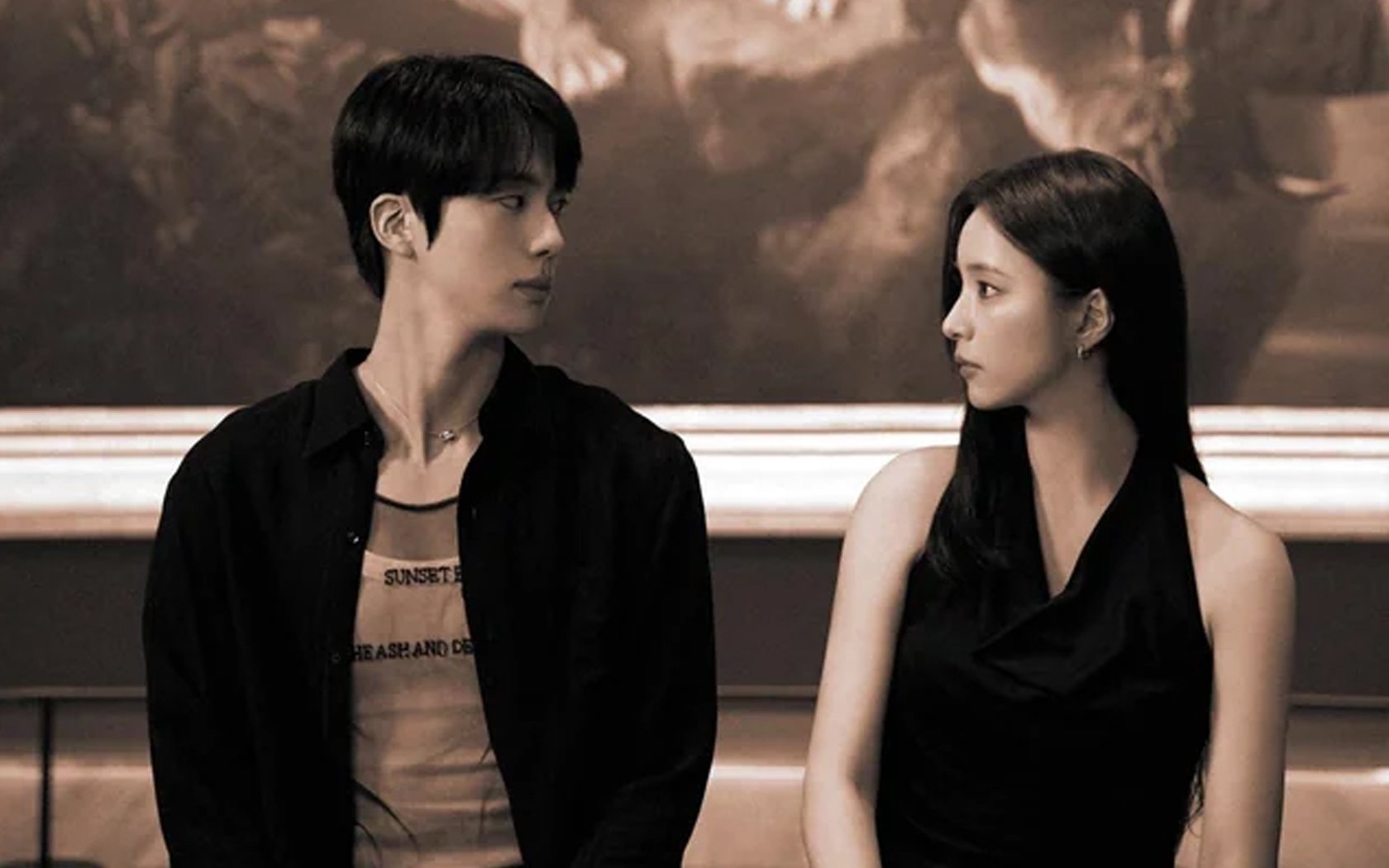
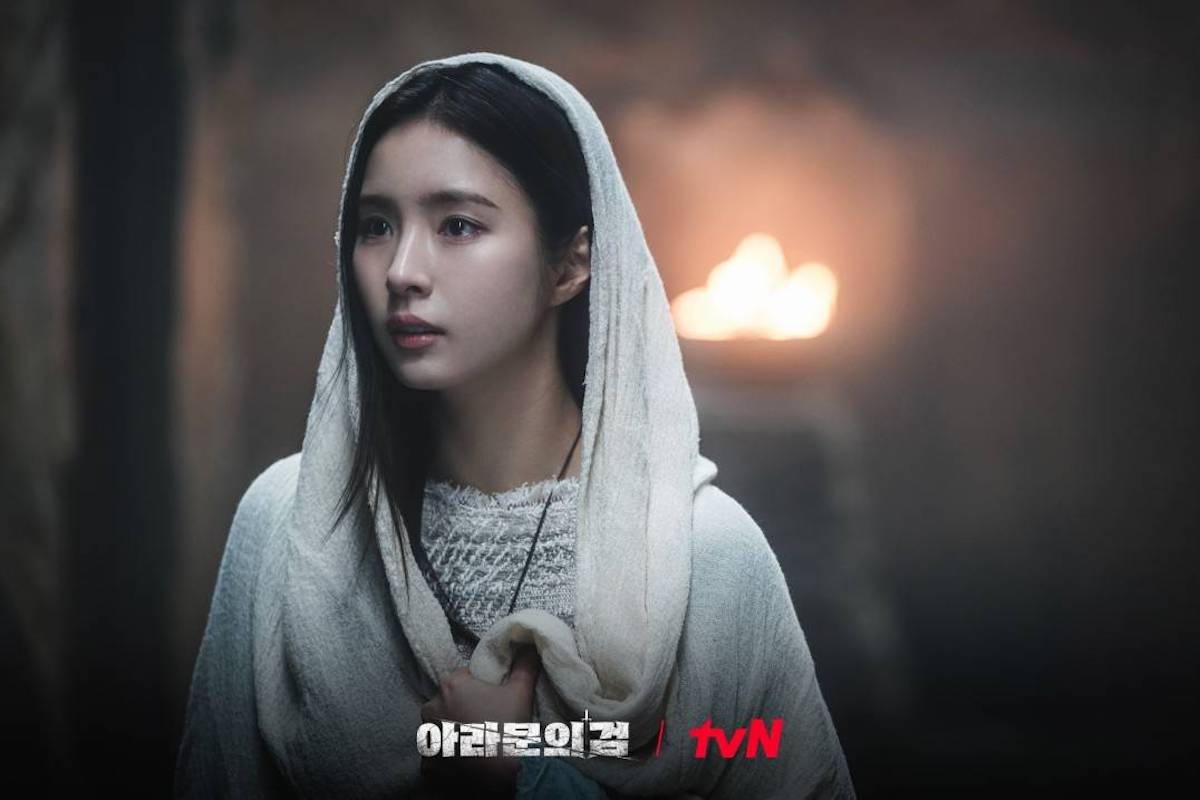
Shin Se Kyung has built a reputation as a versatile and dedicated actress since her debut as a child star. Over the years, she has taken on diverse roles, earning praise for her emotional depth and commitment. Her win marks a significant career milestone, even if it came amid unexpected controversy. In her acceptance speech, she expressed gratitude and humility, qualities that many fans continue to admire regardless of online debates.
The 62nd Baeksang Arts Awards featured several other notable winners and memorable moments, but Shin Se Kyung’s category has dominated post-ceremony conversations. While some viewers remain unconvinced about the result, others see the win as validation for an actress who has worked steadily without always receiving the spotlight she deserves. The divided reactions underscore the passionate engagement Korean audiences have with their entertainment industry and the high standards they expect from major awards.
As discussions continue, the incident serves as a reminder of the subjective nature of artistic recognition. Awards can never satisfy everyone, yet they play an important role in highlighting talent and sparking cultural conversations. For Shin Se Kyung, this victory represents official acknowledgment after years of dedication, even if the path to the trophy proved more contentious than anticipated.
Ultimately, the controversy surrounding her Best Supporting Actress win reflects the vibrant, opinionated nature of Korean entertainment discourse. Whether one agrees with the decision or not, it has brought renewed attention to Shin Se Kyung’s body of work and the ongoing evolution of how excellence is measured in the industry. As the 62nd Baeksang Arts Awards fade into memory, the debate over this particular category is likely to linger, prompting further reflection on the balance between critical acclaim, public reception, and institutional choices.