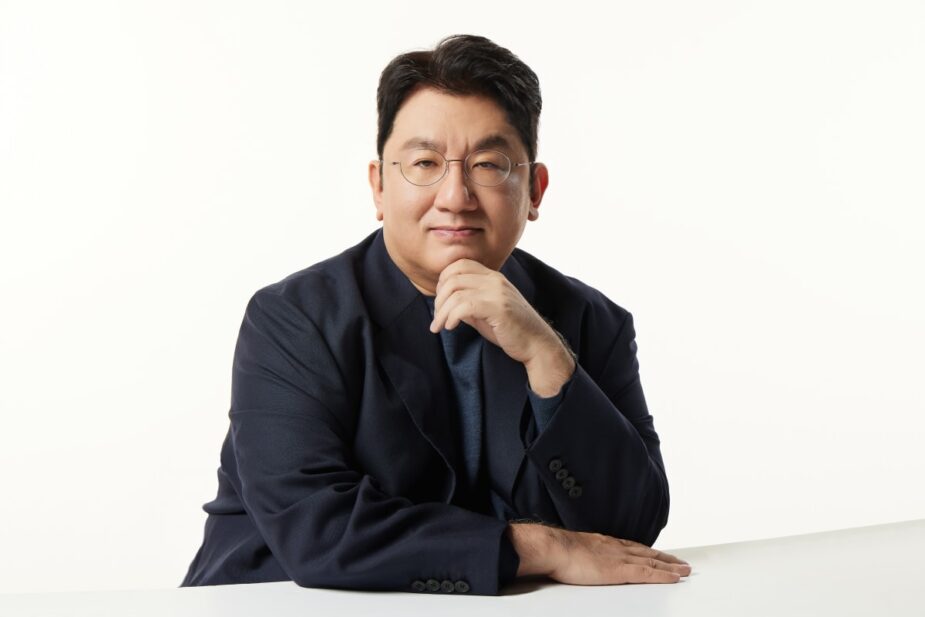
Bang Si Hyuk’s noticeably slimmer appearance has once again become a major topic of discussion online, but this time the conversation has taken an unexpectedly flattering turn. After appearing at a recent CORTIS concert with a sharper jawline and visibly leaner frame, the HYBE chairman attracted renewed attention from Korean netizens. A post on the Korean community site Pann quickly went viral after one user claimed that Bang Si Hyuk had lost so much weight that he now resembled actor Lee Byung Hun. The comparison immediately caught attention because Lee Byung Hun is widely recognized for his rugged appearance and long-standing status as one of South Korea’s most prominent actors. However, the reaction was far from universally positive, with other commenters rejecting the comparison and offering much harsher alternatives. The episode once again demonstrates how intensely the public continues to scrutinize Bang Si Hyuk’s physical appearance.
The most striking part of the discussion is that Bang Si Hyuk’s physical transformation has apparently become a recurring subject rather than a one-day observation. His slimmer appearance first generated widespread attention after he began appearing noticeably thinner last year. Since then, every new public appearance has created another opportunity for Korean netizens to compare his current look with older photographs. The change has been especially noticeable around his face, where the more defined jawline has altered the overall impression of his appearance. For someone who generally avoids being the center of attention for his physical image, the level of fascination surrounding the transformation is somewhat unusual. Yet Bang’s position as the chairman of HYBE means that even changes unrelated to his professional work can quickly become part of public discussion.
The Lee Byung Hun comparison began with a particularly enthusiastic reaction from one Pann user. The commenter essentially expressed disbelief at how much weight Bang Si Hyuk appeared to have lost and suggested that the transformation had made him look like Lee Byung Hun. The user even speculated about how intensely Bang must have dieted to achieve such a dramatic change. That comment was enough to turn a simple observation about weight loss into a viral conversation about appearance and celebrity image. Because Lee Byung Hun has such a recognizable public image, comparing Bang to him naturally made the post more attention-grabbing. However, the comparison should be understood as an individual netizen’s opinion rather than an objective assessment of the two men’s resemblance.
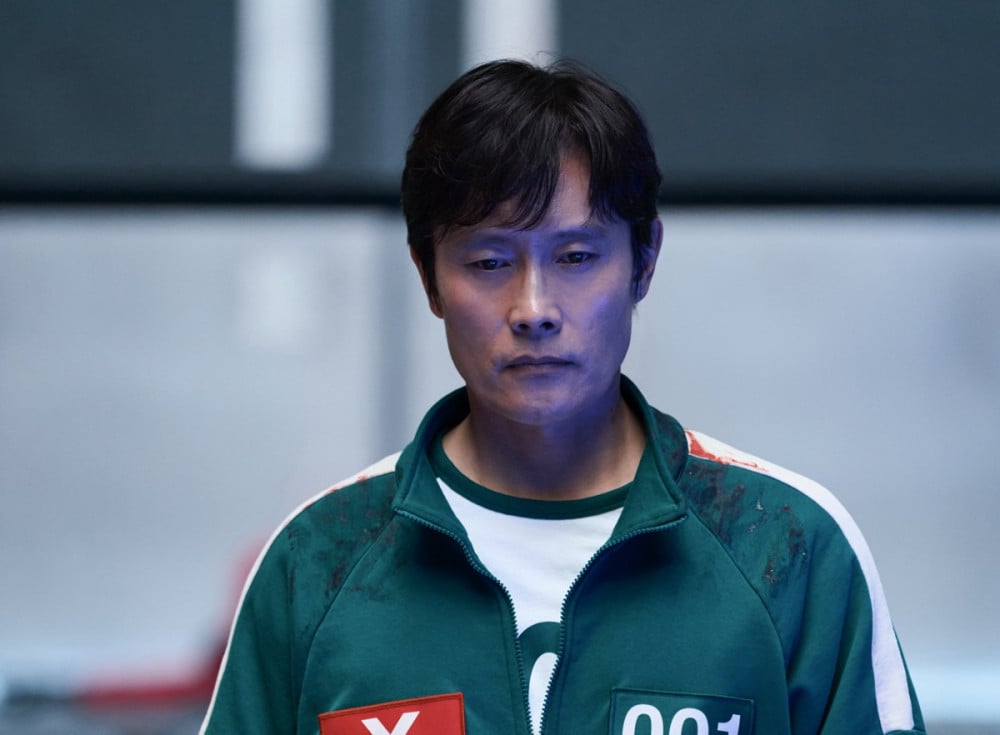
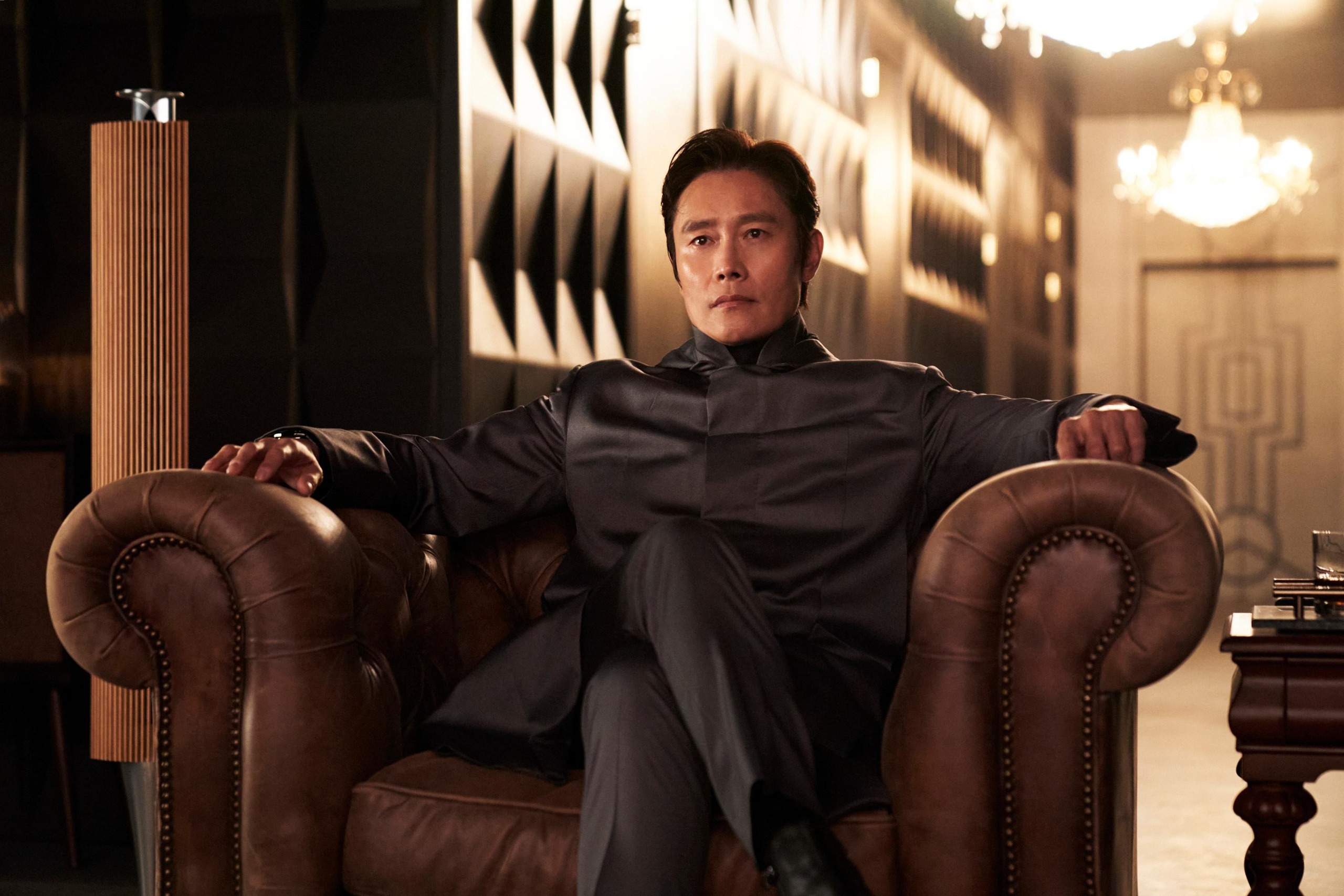
Lee Byung Hun is an especially interesting person to invoke because his appearance has been part of his appeal throughout a long acting career. International audiences may recognize him from major productions such as Squid Game, while Korean audiences have followed his work across film and television for decades. His image is often associated with a mature, masculine, and charismatic screen presence rather than the polished idol aesthetic that dominates much of K-pop. That makes the comparison somewhat unexpected when applied to Bang Si Hyuk, whose public identity is primarily connected to music production and corporate leadership. The comparison therefore says as much about how dramatically Bang’s appearance has changed as it does about any actual facial similarity. It suggests that some viewers now perceive a stronger, sharper, more conventionally mature image than they associated with him previously.
Yet the internet reaction quickly proved that not everyone was willing to accept the flattering comparison. Some Korean netizens argued that Bang Si Hyuk looked nothing like Lee Byung Hun and instead suggested that North Korean leader Kim Jong Un was a closer resemblance. Others mocked the very idea that Bang’s appearance was worthy of promotional attention in the first place. One particularly cynical reaction suggested that HYBE supporters had reached the point of promoting Bang Si Hyuk himself as though he were a celebrity idol. Another commenter even questioned whether his transformation had really erased the physical features that remained visible in older photographs. These reactions reveal how divided public sentiment toward Bang Si Hyuk remains, even when the original topic is something as superficial as weight loss.
The criticism also reflects the unusual position Bang Si Hyuk occupies within Korean entertainment. Unlike an idol, actor, or singer whose appearance is directly connected to their commercial appeal, Bang is primarily known as a producer, executive, and the founder of the company behind some of K-pop’s biggest acts. His physical appearance therefore should theoretically matter far less than his business decisions or creative achievements. Yet because HYBE has become such a powerful force in the entertainment industry, Bang himself has become a recognizable public figure. His image is now connected not only to BTS but also to the enormous corporate machine surrounding multiple artists and labels. As a result, even a simple change in his appearance can become content for online communities. The fascination says less about his personal importance as a fashion figure and more about how closely people monitor powerful entertainment executives.
There is another reason the discussion surrounding Bang’s appearance has become more complicated: his physical transformation is sometimes interpreted through the lens of HYBE’s broader public-relations strategy. The Koreaboo report notes that some Korean netizens continue to dismiss coverage of his weight loss as potential “media play.” In other words, skeptics suspect that attention surrounding his slimmer appearance may be encouraged because it creates a more favorable public image for a controversial corporate figure. There is no evidence in the report establishing that HYBE deliberately orchestrated the comparisons. Nevertheless, the suspicion itself demonstrates how difficult it has become for Bang Si Hyuk to receive neutral public attention. Even a story that appears to be purely about appearance can quickly become another argument about corporate image and public perception.

The skepticism cannot be separated completely from Bang Si Hyuk’s previous controversies either. In 2024, his public image became the subject of intense discussion after footage emerged showing him in Los Angeles with streamer Juice Seyeon and another woman. HYBE subsequently explained that Bang had met one of the sisters previously and had helped them with restaurant and sightseeing recommendations during their trip. Nevertheless, the incident generated extensive online speculation because of the age difference and the unusual circumstances surrounding the encounter. Korean media coverage at the time emphasized how Bang’s rarely visible private life suddenly became public entertainment. Even years later, netizens continue to reference that episode whenever a new discussion about Bang’s appearance or personal image emerges.
That history explains why some of the reactions to his new appearance are much harsher than the original post might suggest. For neutral observers, a dramatic weight-loss transformation could simply mean that Bang Si Hyuk has changed his lifestyle or appearance preferences. For critics, however, the sudden attention can look like another attempt to reshape how the public perceives him. The difference between those interpretations is enormous, even though both are reacting to exactly the same photographs. One side sees a middle-aged executive who appears healthier or more stylish after losing weight. The other sees a powerful entertainment executive whose image is being repackaged while controversies surrounding him remain unresolved. That tension makes even a superficial beauty comparison surprisingly revealing.
There is also an uncomfortable double standard embedded in the way celebrity weight loss is discussed online. When an entertainer loses a substantial amount of weight, the transformation is frequently celebrated as evidence of discipline, attractiveness, or personal improvement. At the same time, strangers often feel entitled to speculate about the person’s diet, health, lifestyle, and even the exact methods supposedly used to achieve the transformation. The Pann commenter’s remark about being unable to imagine how intensely Bang Si Hyuk must have dieted illustrates that curiosity. Yet there is no verified information in the report explaining exactly how he achieved his current appearance. Turning an observable physical change into assumptions about his private habits therefore risks crossing the line between public commentary and unnecessary speculation.
The comparison with Lee Byung Hun also highlights how quickly online conversations can shift from admiration to ridicule. One commenter can describe Bang as resembling a conventionally handsome actor, while another can immediately compare him to a political leader known for an entirely different public image. Neither comparison needs to be objectively accurate to become part of the viral conversation. Online communities often reward exaggeration because extreme reactions generate more engagement than moderate observations. That dynamic can make ordinary celebrity photographs appear far more controversial than they actually are. Bang Si Hyuk’s case demonstrates how quickly appearance-based discussion can become a competition over who can produce the most memorable insult or compliment.
Interestingly, the strongest reactions may not actually concern Bang’s weight at all. Several commenters appeared more interested in criticizing the decision to turn his appearance into a viral topic than in discussing whether he looked better or worse. The suggestion that HYBE supporters are now “hyping up” Bang Si Hyuk reveals resentment toward what some people perceive as excessive corporate fandom. In their view, the chairman should not be receiving the same type of visual praise normally directed toward idols and actors. That reaction reflects the complicated relationship between HYBE, its artists, its fans, and its critics. As HYBE has expanded, the distinction between entertainment celebrity and corporate power has become increasingly blurred.
At the same time, Bang Si Hyuk’s transformation does offer a reminder that public figures are not static images. People change their appearance, lose weight, alter their fashion choices, and sometimes simply look different because of age or photography. The internet, however, tends to freeze celebrities in particular visual eras and then treats any departure from those images as dramatic. Bang’s older photographs have therefore become a reference point against which his current appearance is constantly measured. The sharper jawline and slimmer face appear more dramatic precisely because audiences remember him looking significantly different. The transformation may ultimately feel larger online than it does in real life because social media amplifies every visible change.
There is also a broader cultural issue in the obsession with male celebrity transformations. Bang Si Hyuk is not an idol whose career depends on maintaining a particular physical standard, yet his weight loss is being analyzed almost as intensely as an entertainer’s comeback styling. This suggests that the expectations surrounding appearance are expanding beyond traditional performers. Executives, producers, influencers, and other public figures can now become subjects of the same appearance-based commentary previously reserved primarily for actors and idols. That may be flattering when the response is positive, but it can become brutal when the public mood turns negative. Bang’s experience shows how little control a highly visible public figure ultimately has over the way strangers interpret his face and body.
Ultimately, the new Lee Byung Hun comparison says more about Bang Si Hyuk’s changed public image than it does about whether the two men genuinely resemble each other. One Korean netizen saw the slimmer Bang and immediately associated him with a celebrated actor known for mature charisma. Others rejected the compliment and used the opportunity to revive older jokes, controversies, and criticisms surrounding HYBE’s chairman. The competing reactions demonstrate that Bang’s public reputation remains deeply polarized, meaning even positive attention can quickly turn into another battleground. His weight loss may have changed his appearance, but it has not erased the complicated feelings many people have toward him. If anything, the latest viral discussion proves that Bang Si Hyuk remains a powerful enough figure that even his face can become a major entertainment story.
In the end, the most interesting part of this episode is not whether Bang Si Hyuk actually looks like Lee Byung Hun. The more revealing story is why a producer and corporate chairman can generate such intense online debate simply by appearing noticeably slimmer at a concert. His transformation has become a blank canvas onto which supporters project admiration and critics project skepticism about HYBE’s image management. Until Bang himself explains how he achieved the change, claims about his diet or motivations remain speculation rather than established fact. What is certain is that his appearance has once again become part of the larger conversation surrounding his public identity. And as long as HYBE remains one of the most influential forces in global K-pop, Bang Si Hyuk will probably continue discovering that even the smallest personal change can become a headline.