In Season 3, during the intense episode where Jesus walks on water, Atticus is definitely positioned on the shore, watching the whole thing unfold. He’s not in the boat with the disciples, but he’s there on land, eyes locked on the impossible scene. The apostles are already freaked out, thinking they’re seeing a ghost in the middle of the storm. Meanwhile, this Roman officer—trained to stay composed and skeptical—gets a front-row seat to something that shatters every natural law he knows. That moment isn’t just a miracle for the inner circle; it ripples outward, touching even those on the edges.
Fast forward to early Season 4. Atticus has a charged conversation with Quintus, and the shift in his energy is obvious. He’s unusually serious, almost haunted. Quintus picks up on it immediately and says something like, “Something spooked you.” It’s not random. Atticus has seen and heard too much at this point. He’s witnessed miracles, heard teachings, observed Jesus’s interactions with people from all walks of life. A man like Atticus—practical, duty-bound, embedded in Roman power structures—doesn’t get “spooked” easily. But walking on water? That’s the kind of encounter that lingers and starts rewiring how you see reality.

The theory that Atticus could be the one to eventually declare, “Surely this was the Son of God,” feels like a natural arc. It would be poetic and powerful. Throughout the show, we see different characters coming to their own conclusions about Jesus. The disciples wrestle with it up close. Outsiders catch glimpses. Atticus represents this fascinating middle ground—a Roman with authority who keeps circling closer to the truth without fully committing yet. His journey mirrors how faith often works: not in one dramatic flash, but through accumulated moments that chip away at doubt.

What’s compelling is how the show uses him to explore the tension between empire and kingdom. Romans were all about order, strength, and visible power. Jesus operates in humility, mystery, and supernatural disruption. Seeing someone walk on chaotic waves during a storm would mess with anyone’s worldview, especially a soldier trained to control situations. That image of Jesus calmly mastering the sea isn’t just impressive—it’s a direct challenge to every false god and human authority Atticus has known.
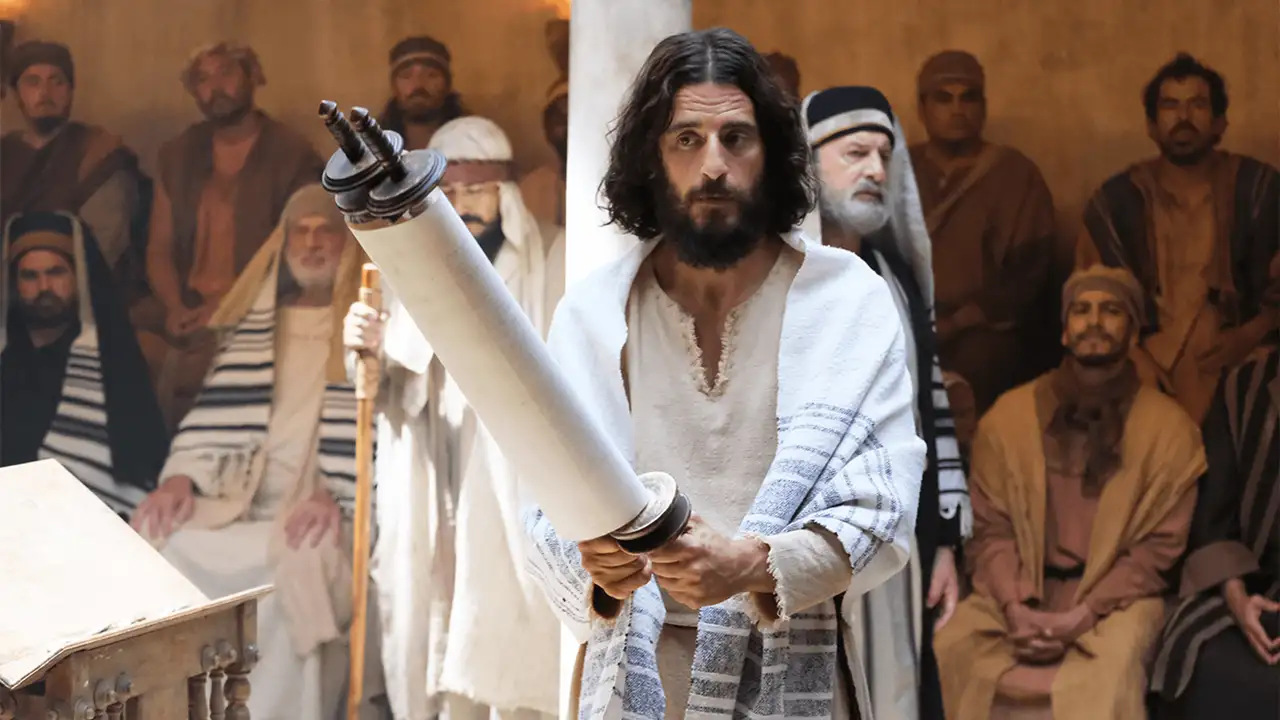
You can feel the internal conflict building in him. He’s serious because he’s processing something profound. The miracles aren’t abstract anymore; they’re personal. He’s watched Jesus heal the broken, forgive the outcast, and display authority that no earthly ruler possesses. Each encounter adds weight. By Season 4, that cumulative exposure has clearly shaken him. It’s the slow burn of conviction—the kind where evidence piles up until denial becomes harder than belief.
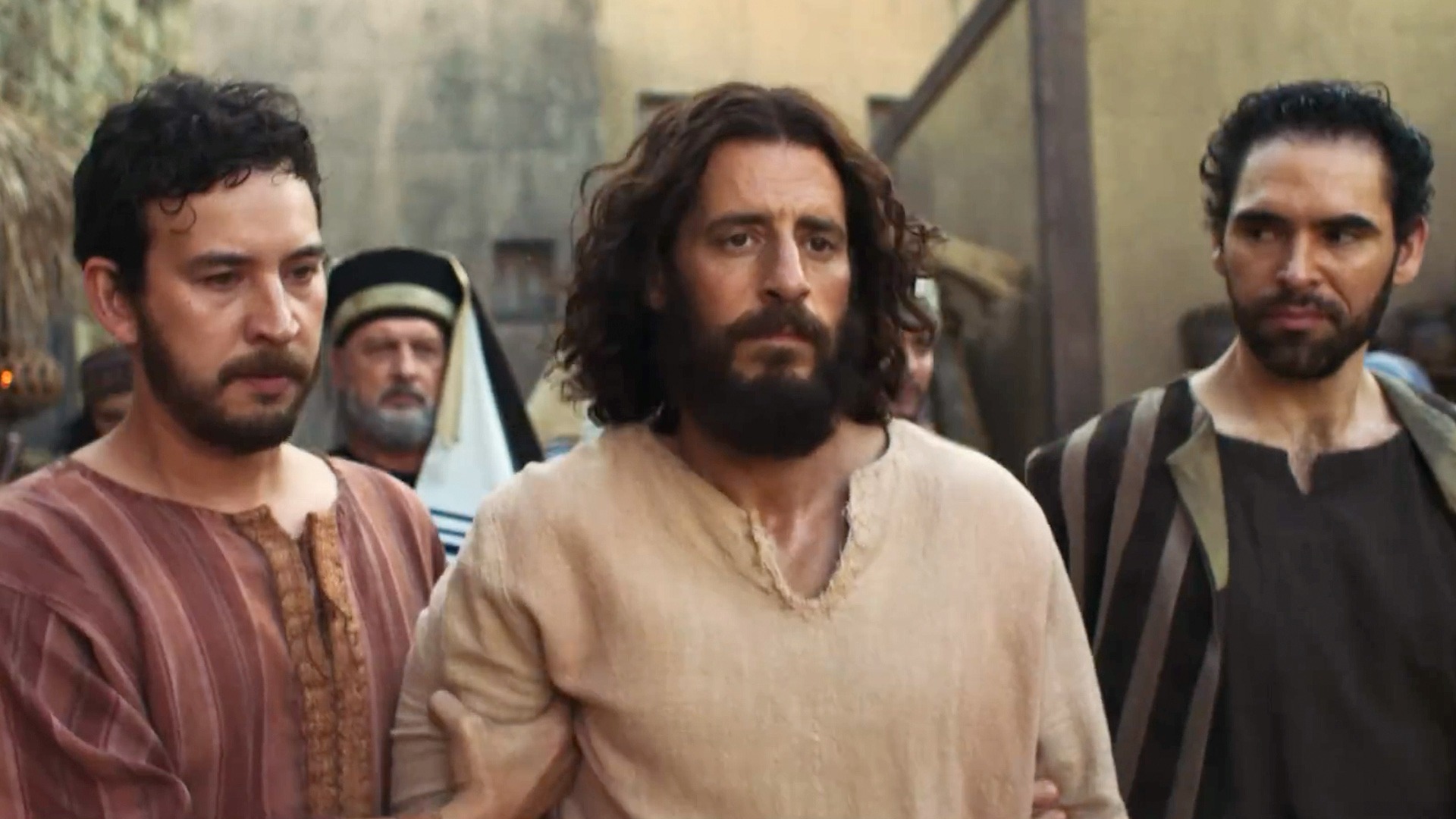
This arc also speaks to a bigger truth about spiritual awakening. Sometimes the people we least expect end up seeing clearest. Atticus isn’t from the religious elite or the inner disciple circle. He’s an outsider with a front-row seat to the extraordinary. His potential confession would highlight how Jesus’s impact spreads far beyond Israel’s borders, touching even the representatives of the occupying force. It’s a beautiful picture of the gospel’s reach: no one is too far, too skeptical, or too embedded in worldly systems to be stirred.
The apostles’ fear in the boat—“It’s a ghost!”—contrasts nicely with Atticus’s silent observation. They had relationship and history with Jesus, yet still struggled with terror and doubt in the moment. Atticus, watching from afar, absorbs the scene with that Roman stoicism cracking just a bit. It suggests that distance doesn’t always mean disconnection. Sometimes stepping back gives you a different perspective that forces deeper questions.
On a personal level, Atticus’s story resonates because many of us experience faith the same way. We witness moments that don’t fit our current understanding—answered prayers, timely coincidences, undeniable shifts—and they accumulate. One event spooks you, then another, until you’re faced with a choice: explain it away or lean into the mystery. His seriousness in Season 4 feels like that pivotal tension before surrender.
If the show does take his character in this direction, it would be such a fitting payoff. A hardened Roman officer moved to declare Jesus as the Son of God would carry huge emotional and thematic weight. It would underscore that recognition of Christ often comes after seeing too much to deny anymore. Not because of perfect arguments or flawless lives, but because the evidence of love, power, and authority becomes overwhelming.
Rewatching the series makes these threads pop even more. The careful placement of Atticus in key moments isn’t accidental. It builds anticipation for how his story might intersect with the crucifixion and beyond. That line—“Surely this was the Son of God”—spoken by someone like him would feel earned and transformative, echoing the centurion at the cross in the biblical account while giving it fresh life through this character’s unique journey.
Ultimately, Atticus reminds us that encounters with Jesus leave marks. Whether you’re in the boat or on the shore, once you’ve seen the impossible, you can’t unsee it. Something shifts. Questions linger. And for some, like this Roman watching quietly from the land, it plants seeds that grow into full recognition. The spooked look, the accumulating experiences, the internal wrestling—it all points toward a powerful moment of clarity coming. Jesus has a way of reaching people exactly where they are, turning watchers into witnesses.