The idea from the introduction to the Book of John lands with fresh power every time: we often say “seeing is believing,” but in John’s Gospel, it’s the reverse—believing is seeing. That simple flip unlocks a whole new way of experiencing faith, and it perfectly connects to some of the most moving moments in *The Chosen*. Those scenes with Jesus and John feel like pure cinematic gold, showing transformation in the most intimate, human way.
One episode that stands out is when Jesus casually asks John to help Him pick out a book to read. It’s such an everyday, relational moment—two friends browsing together, sharing something ordinary. Yet it carries deep significance. In that simple act, you sense the bond between them growing. John isn’t just a follower tagging along; he’s becoming a close companion, trusted and invited into Jesus’ personal world. The casual nature of it makes the later emotional payoff even stronger.

Then comes the quiet scene where Jesus is immersed in reading, and the camera catches John watching Him with tears glistening in his eyes. Those aren’t tears of sadness. They’re overflowing with love, joy, and pure awe. In that moment, something shifts inside John. He’s glimpsing the profound mystery of who Jesus really is—not just the teacher or miracle-worker, but the living Word, the divine expression of God stepping into history. You can almost feel the weight of revelation settling on him. It’s like the veil is lifting, and John begins to see with the eyes of belief. That awe-filled gaze captures the heart of the Gospel he will eventually write: believing opens your eyes to realities that physical sight alone could never reveal.

This feels like the turning point where John starts becoming the person God always intended him to be. From the fiery “Son of Thunder” with a quick temper and ambitious dreams, he’s transforming into the disciple known for deep love and profound spiritual insight. The tears represent that inner work—the Holy Spirit shaping his heart, expanding his understanding, and preparing him to articulate truths that would shape Christianity for centuries. It’s not an overnight change but a gradual unveiling fueled by intimate time with Jesus.

The pinnacle comes when we see John beginning to write those iconic opening words: “In the beginning was the Word, and the Word was with God, and the Word was God.” Connecting that moment back to Jesus reading earlier creates such a beautiful full circle. John has internalized the truth so deeply that it pours out as inspired scripture. Jesus as the Word—the eternal Logos, the creative force, the perfect communication of God’s heart—becomes the foundation of his testimony. Believing has enabled him to truly see, and now he’s inviting others into that same seeing through his writing.
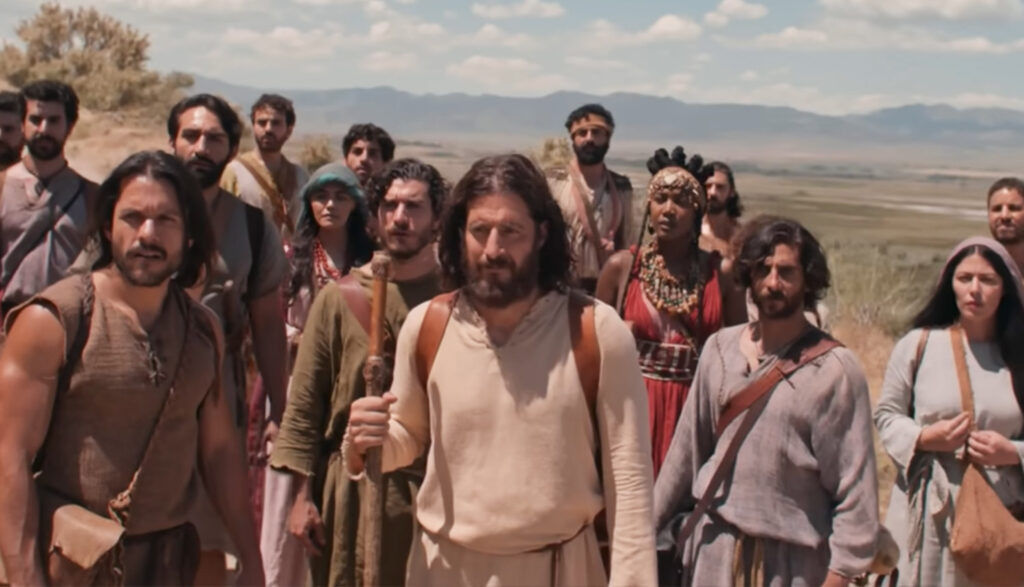
The way this part of the story is portrayed feels masterful. It avoids big dramatic miracles in favor of quiet, relational depth. The focus stays on the emotional and spiritual transformation happening in John’s heart. Those tears of awe aren’t just for show—they reflect the overwhelming realization that the person sitting across from him is the eternal God in human form. It’s intimate, vulnerable, and incredibly powerful. It reminds us that some of the most important moments in faith aren’t loud or public but happen in the stillness of personal encounter.
This theme of “believing is seeing” runs throughout John’s Gospel and challenges how we approach life. Our culture trains us to demand proof first—show me, then I’ll believe. But John flips the script. When we choose to believe, our eyes open to see realities that were there all along: God’s presence in the everyday, His voice in the quiet, His love in the faces of those around us. John’s tears capture that breakthrough. Once he believed more deeply, he saw Jesus for who He truly was, and that vision changed everything about him.
It also highlights the power of relationship in spiritual growth. John didn’t figure this out through academic study alone. It happened because he spent time with Jesus—watching Him read, listening to His words, sharing ordinary moments that revealed extraordinary truth. That closeness cultivated the belief that sharpened his sight. In the same way, our own transformation often happens not through grand gestures but through consistent, intimate time with Jesus, letting Him reshape how we see the world.
The scenes serve as a beautiful reminder that God uses our unique personalities and stories. John’s passionate, contemplative nature made him the perfect vessel for writing a Gospel rich in theological depth and relational warmth. His tears of love and awe show that emotional encounter plays a vital role in faith. It’s okay to be moved to tears when the reality of who Jesus is crashes over you. That kind of response signals a heart being softened and expanded.
Watching these episodes alongside reading the Book of John creates a full-circle experience. You see the living moments that likely inspired the written words. John’s Gospel invites us into the same journey: move from surface-level seeing to belief-fueled vision. It calls us to look at Jesus with fresh eyes of trust so we can truly see His glory, His love, and His divine identity.
Those tears in John’s eyes become an invitation for us too. In a world that demands visible proof, may we choose belief first, so we can see the Word who was with God and who is God—dwelling among us, full of grace and truth. The transformation that happened for John in those quiet moments is available to each of us. It starts with drawing near, watching closely, and letting awe fill our hearts until it overflows into our own testimony.