The modern streaming ecosystem operates on an unyielding cycle of nostalgic revival, but bringing back a seismic cultural phenomenon like Ted Lasso on Apple TV+ is practically an extreme sport, especially when the entire creative DNA of the franchise gets a total structural makeover. When the beloved comedy originally wrapped its seemingly definitive three-season run, it felt like an emotional exclamation point on a modern fairy tale. AFC Richmond had completed its redemption arc, the locker room had found its collective soul, and the overarching narrative seemed neatly tied up with a wholesome, biscuit-scented bow. But television economics and the global appetite for comfort prestige rarely let successful universes rest. As Season 4 officially makes its roaring return, it has completely flipped the script on what audiences expected, steering into a brilliant narrative pivot that feels less like a traditional continuation and more like a high-stakes, risk-taking sequel series.
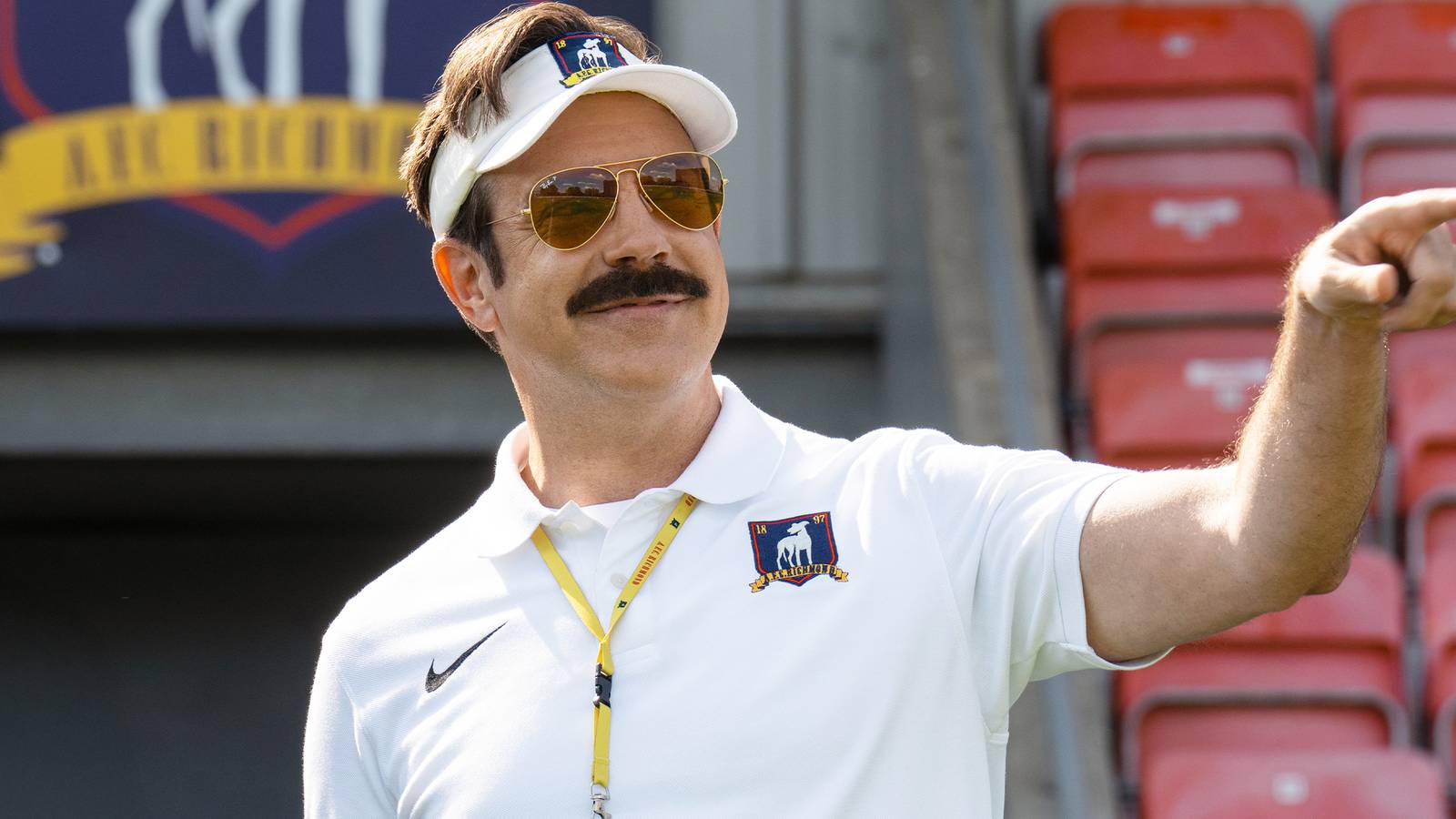
To truly decode the psychological and structural gravity of this comeback, you have to look closely at the genius behind the new premise. Instead of lazily rehashing the exact same men’s team dynamics that drove the first three seasons, the creative team tossed out the old playbook and dropped Ted Lasso right back into the Richmond ecosystem to tackle an entirely fresh challenge: coaching a second-division women’s soccer team, the newly formed Lady Greyhounds. It is an inspired, culturally relevant shift that immediately elevates the stakes. It allows the show to retain its signature brand of radical optimism while exploring a completely different corner of the sport, tackling new systemic hurdles, and sidestepping the trap of self-parody that plagues so many comedy revivals.
Of course, a massive narrative reinvention like this comes with a turbulent roster overhaul, sending internet fandom into a full-blown existential spiral. While heavy-hitters like Jason Sudeikis returning as the titular Ted, Hannah Waddingham commanding the boardroom as Rebecca Welton, Brett Goldstein grunting his way through coaching as Roy Kent, Juno Temple dazzling as PR icon Keeley Jones, and Brendan Hunt stealing scenes as Coach Beard are back to anchor the emotional core of the series, fans have also had to face some heartbreaking goodbyes. Several familiar player favorites from the original men’s squad—including characters like Jamie Tartt and Dani Rojas—are not returning as regular fixtures, as the spotlight shifts firmly over to the women’s division.
To successfully populate this new world, the production team brought in an exciting wave of fresh talent to refresh the Richmond ecosystem. Tanya Reynolds, known for her incredible comedic timing, steps into the fold as assistant coach Alice Chilton, bringing a fresh intellectual and tactical spark to the coaching staff. Alongside her, a brilliant ensemble of new players portrayed by actors like Abbie Hern, Jude Mack, and Faye Marsay inject vibrant energy into the locker room, establishing entirely new team dynamics, internal rivalries, and personal struggles that keep the audience guessing.
Behind the camera, the creative machinery has also undergone a fascinating evolution. With co-creator Bill Lawrence stepping back during earlier phases, Apple brought in comedy heavyweight Jack Burditt—whose legendary writing credits include 30 Rock and Modern Family—to co-run the writers’ room alongside Jason Sudeikis. This partnership infuses the new episodes with a much sharper, faster-paced satirical edge that perfectly balances out the show’s trademark emotional warmth. It’s a calculated evolution that recognizes that the cultural landscape has shifted since 2020, requiring comedy writing that is both aggressively witty and genuinely grounded.
Deconstructing the deeper cultural reaction to this season reveals a fascinating tension between audience nostalgia and the brutal reality of narrative growth. When news first broke about the core cast changes and the pivot to the women’s team, football and television Twitter were predictably divided. Purity purists worried the show would lose its original magic without the exact same ensemble playing on the exact same pitch. Yet, as the weekly episodes continue to roll out, that initial anxiety has largely given way to respect for the sheer audacity of the gamble. Ted Lasso is proving that a story about growth, empathy, and leadership doesn’t have to stay trapped in a static loop; it can expand its horizons, challenge its characters with new environments, and reflect the broader, real-world explosion of women’s football.
Ultimately, Season 4 proves that even the warmest, most comforting stories on television are willing to leap before they look. By tearing up the old tactical board and embracing the messy, unpredictable nature of a brand-new era, Ted Lasso has successfully rewritten the rules of the streaming revival playbook. Whether this bold pivot will completely satisfy every nostalgic fan remains a hot debate across social media, but one thing is indisputable: AFC Richmond is back, the biscuits are flying, and the ultimate television comforting blanket has evolved into something infinitely more ambitious.