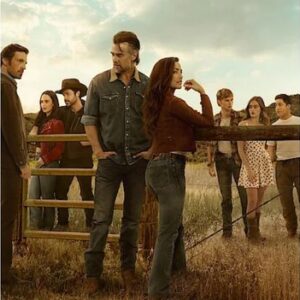
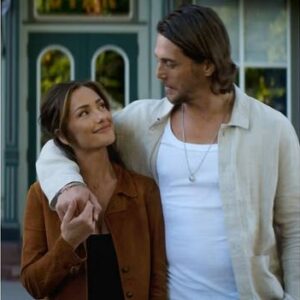
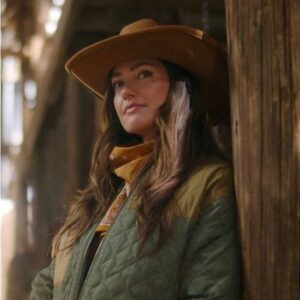
Fans return to Dutton Ranch for the drama, the ranch politics, and the complicated characters. They also keep watching because of the actors who embody them. Kelly Reilly, Annette Bening, Natalie Alyn Lind, Morgan Wade and others arrived on the Paramount+ series with established careers and, in several cases, highly recognizable personal styles. Off-screen, many of them have repeatedly rewritten those looks—through colour, cut, or both—in ways that can still stop fans mid-scroll.
A change of hair rarely stays only cosmetic. It can shift how an actor is read on a red carpet, in a music video, or in archival photos that surface years later. The women of Dutton Ranch have given audiences plenty of examples.
Kelly Reilly: the blonde who keeps returning to red
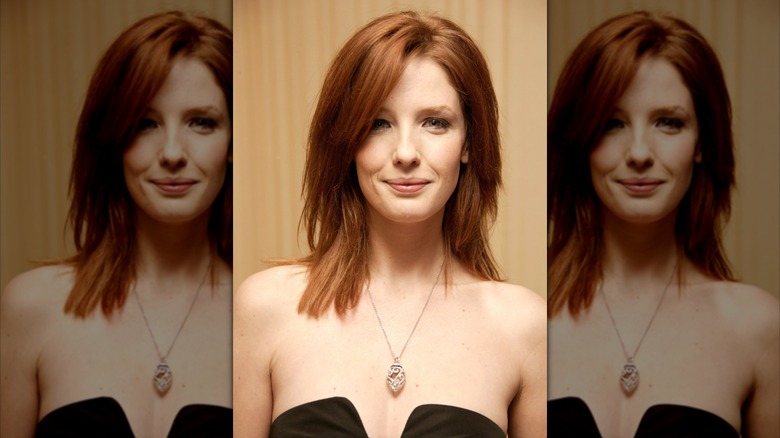
Beth Dutton is inseparable from long, controlled blonde hair—glamorous, sharp, and as much a part of the character’s armour as her dialogue. That colour is not Kelly Reilly’s natural shade. Throwback images show her as a striking redhead, a look that brings out different tones in her features and can make her appear almost like a different person to viewers who only know the Yellowstone universe version.
Reilly has revisited red and auburn tones more than once over the years, sometimes with softer waves, sometimes with more intensity. Each return underlines how deliberate the blonde of Beth really is: a character choice rather than a fixed personal brand. Even so, she has repeatedly found her way back to lighter hair, suggesting that the bombshell silhouette remains a preferred public default even when the red makes a temporary reappearance.
Annette Bening: long, straight, and a rare departure from the pixie
Annette Bening’s public image has long been tied to shorter hair—light brown pixie cuts, soft curls, or a wavy bob that occasionally edges toward the fringe-heavy shape she wore in American Beauty. That consistency makes the exceptions memorable. At the Passport 2002 Fashion and Compassion gala, an HIV/AIDS fundraiser, she appeared with notably long, straight hair. The length alone was a departure; the sleek texture made the change even more pronounced.
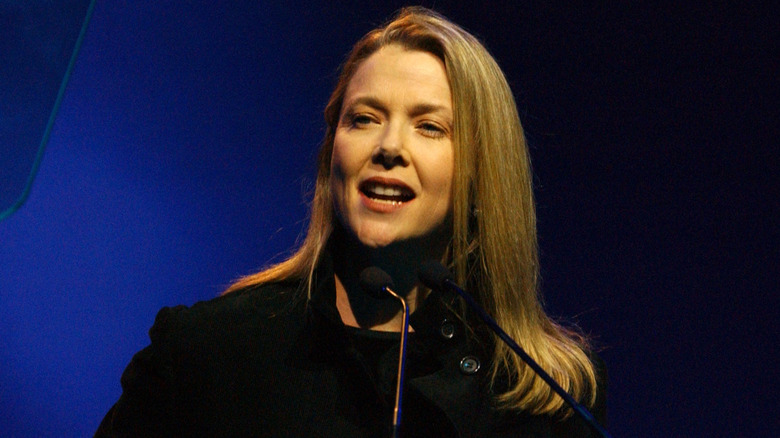
Another archival moment underlines how far she has sometimes gone in the opposite direction. At the 2008 premiere of The Women, her hair was cut extremely short, thinned, and straightened into a look that many Dutton Ranch viewers would struggle to reconcile with the fuller, blonde styling of Beulah Jackson. For an actor whose silhouette has been so steady across decades, both the long-straight experiment and the ultra-short premiere look function as reminders that even the most consistent stars occasionally erase their own template.
Natalie Alyn Lind: brunette experiments and a Marilyn-adjacent crop
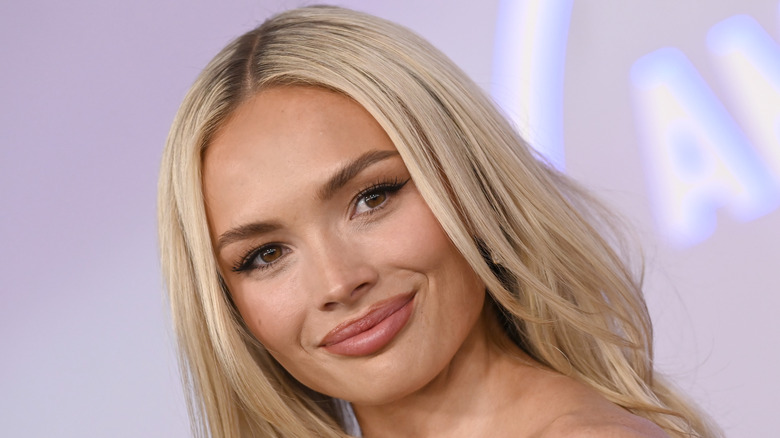
On Dutton Ranch, Natalie Alyn Lind’s Oreana is a blonde presence. Off-screen she has tested the alternative. In June 2024 she posted Instagram photos under the caption “different roots,” showing a brown, wavy lob. The shift was not extreme in length, yet the darker colour altered the balance of her features enough that fans remarked on how unfamiliar she looked.
She has also played with shorter cuts while staying blonde. At the Scary Movie premiere in June 2026 she wore a shoulder-length style that carried a soft Marilyn Monroe energy—less dramatic than a full pixie, but a clear step away from longer waves. The combination of the brunette trial and the shorter blonde crop suggests an actor willing to treat hair as a rotating set of options rather than a fixed signature, even while her current series role keeps her in lighter territory.
Morgan Wade: hot pink for a music-video alter ego
Morgan Wade’s Carol on Dutton Ranch—her first major acting role—appears behind the bar with long brunette waves that read as close to the singer’s everyday look. Away from the series she has been less restrained. In the 2022 music video for her song “Run,” she wore a hot-pink wig, trading natural colour for something deliberately artificial and high-impact. The change is the kind that does not require a second glance to register: same face, entirely different frame.
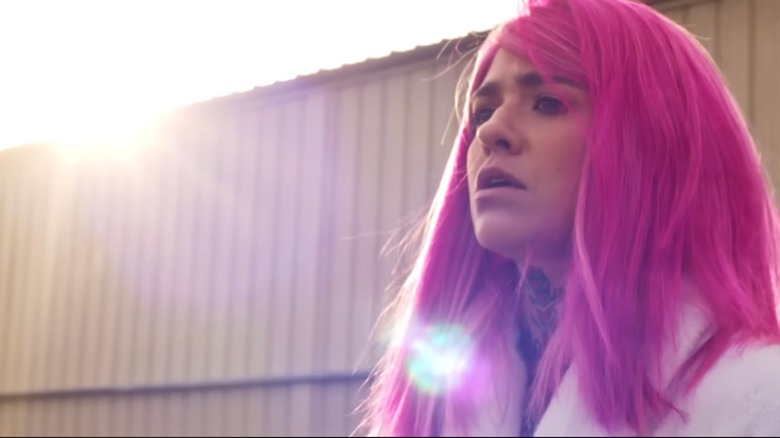
For a country artist whose visual brand is often grounded and understated, the pink moment functions as a temporary character of its own—proof that Wade’s willingness to transform is not limited to the demands of a television role.
Why these changes still land
Part of the fascination is simple contrast. Viewers who meet these performers through Dutton Ranch absorb a specific combination of colour, length, and texture tied to Beth, Beulah, Oreana, or Carol. Archival red carpets, old premieres, Instagram experiments, and music videos break that association. A natural redhead version of Reilly, a long-haired Bening, a brunette Lind, or a pink-haired Wade can feel briefly like casting against type—even when the person is the same.
Hair remains one of the fastest, most reversible tools an actor has for signalling reinvention. The women of Dutton Ranch have used it across different stages of their careers: to serve a character, to raise money at a gala, to promote a single, or simply to see how the other colour feels. The show may fix them, for a time, in particular looks. Their own archives show how often they have chosen to step outside those looks—and how effectively a cut or a bottle of colour can make a familiar face feel new again.