The modern entertainment economy operates as a high stakes corporate theater where financial metrics and cultural resonance collide in spectacular fashion, and few entities exemplify this volatile dynamic quite like the multinational entertainment monolith HYBE. In a stunning demonstration of economic dominance, the corporation recently unveiled its financial report for the second quarter of 2026, revealing the most lucrative and explosive three month period in the entire history of the company. Propelled entirely by the long awaited, culture shifting return of BTS, HYBE raked in an astronomical revenue of approximately $993 million, effectively more than doubling the financial intake of the exact same period from the previous year. This jaw dropping figure brought the conglomerate to the literal doorstep of the historic one billion dollar quarterly milestone, a feat that once seemed entirely unreachable for a K pop agency.

To fully decode the magnitude of this financial triumph, one must analyze the staggering upward trajectory of the company’s core profitability indicators alongside its top line revenue. HYBE recorded an operating profit that climbed by an incredible 159 percent, soaring to roughly $117 million, while net profit experienced an almost incomprehensible surge of 613 percent, landing at approximately $75 million. These numbers are not merely the result of standard business growth or incremental market expansion; they represent a seismic economic shockwave triggered by the reactivation of the world’s most powerful musical phenomenon. In the ruthless capitalism of the global music industry, these statistics serve as an undeniable proof of concept, illustrating how a single cultural juggernaut can single handedly rewrite corporate history sheets and redefine the financial boundaries of modern entertainment.
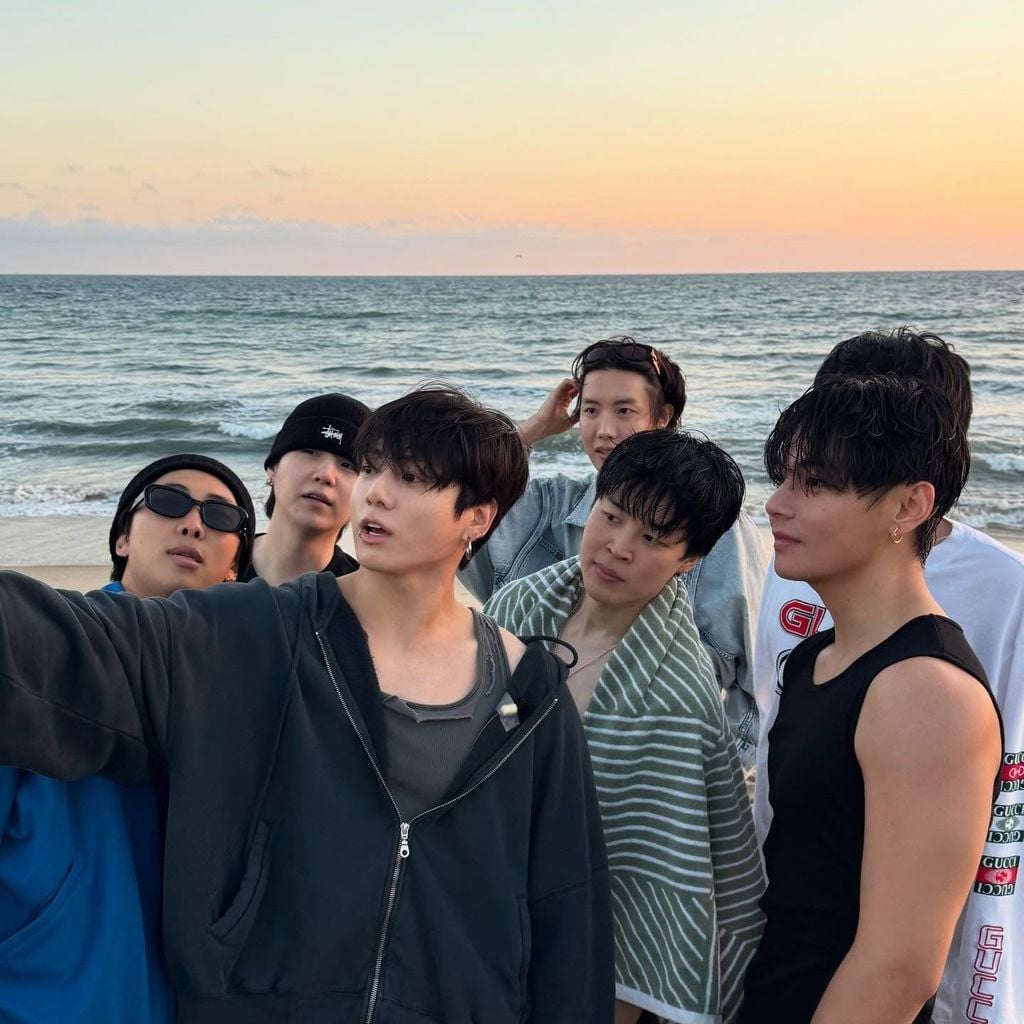
At the epicenter of this historic quarter stands the triumphant reunion of BTS, whose members officially completed their mandatory military service and stepped back into the blinding glare of the global spotlight. For years, skeptics and Wall Street analysts whispered about the inevitable economic vulnerability K pop agencies face when their flagship male groups pause activities for military conscription. Yet, the moment BTS reassembled to drop their fifth studio album, titled ARIRANG, and launched an ambitious, stadium crushing world tour in April, those speculative doubts were obliterated. The comeback was executed with military precision and artistic grandeur, transforming a standard musical release into a massive global event that reactivated millions of devoted fans overnight and galvanized the entire international marketplace.

The ripple effects of this cultural reset created an unprecedented tidal wave of consumer demand that swept across nearly every single business sector within the HYBE ecosystem. Live music and touring, which form the lifeblood of contemporary pop economics, generated a monumental $444 million in concert revenue alone. Fans across continents flooded ticket platforms, transforming stadiums into sold out sea of lights and driving ticket and VIP package sales to historic highs. Simultaneously, physical album sales proved that the digital age has not killed the collector mentality, with ARIRANG pulling in around $224 million in revenue. The album famously dominated the American music market, claiming the number one spot in U.S. vinyl and CD sales, a remarkable achievement for a foreign language release and a testament to the enduring buying power of a truly dedicated global fandom.

Furthermore, the economic euphoria extended deep into ancillary revenue streams, with merchandise and licensing bringing in a record breaking $213 million. In the modern fandom economy, buying physical and digital goods is not merely a transaction; it is a vital ritual of belonging and a tangible way for supporters to celebrate an idol’s return. From specially curated tour merchandise to limited edition album versions and lifestyle products, the merchandise pipeline functioned as a finely tuned financial engine. This diversified influx of cash demonstrates how masterfully the agency capitalizes on emotional loyalty, converting intangible fan devotion into hard currency with astonishing efficiency across multiple distinct retail channels.
While HYBE proudly fosters a diverse roster of talented artists spanning various generations and global markets, the second quarter data makes it unequivocally clear that BTS remains the foundational bedrock holding the entire corporate skyscraper upright. Other labelmates certainly contributed to the quarterly ledger, but the sheer gravity of BTS’s album sales, stadium tour infrastructure, and global fandom mobilization provided the overwhelming majority of the momentum. This reality highlights an ongoing strategic paradox for the conglomerate: despite pouring massive investments into developing new hybrid groups and expanding international footprints, the financial health of the empire remains deeply tethered to the legendary status of its founding icons.
This historic financial milestone also offers a fascinating sociological mirror reflecting the unique bond between K pop idols and their supporters. When an artist undergoes a multi year hiatus due to national service, standard consumer psychology suggests that interest might fade or fragment. However, the exact opposite occurred with BTS, as the enforced absence only served to hypercharge anticipation and forge an even fiercer emotional resilience among the fandom. The triumphant release of ARIRANG and the ensuing world tour acted as a massive communal catharsis, validating years of patient waiting and transforming the commercial success into a shared victory for millions of followers worldwide.
Ultimately, HYBE recording the strongest quarter in its history through the sheer economic force of BTS serves as a masterclass in modern pop capitalism. It exposes the fragile yet immensely profitable nature of an industry built on parasocial loyalty, star power, and flawless global marketing execution. As the company crosses into uncharted financial territory, standing tantalizingly close to the billion dollar quarterly threshold, the message to the entertainment world is loud and clear. No matter how much the corporate landscape shifts, the unmatched cultural gravity and economic supremacy of veteran legends like BTS operate on an entirely different stratosphere, proving that true pop royalty never truly fades away.