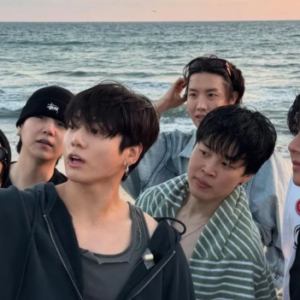
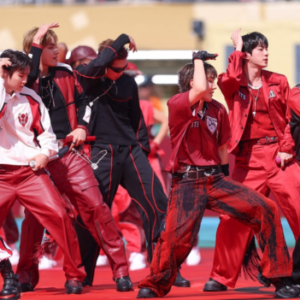
The digital ecosystem of modern K-pop fandom operates as a hyper-vigilant Panopticon, where the boundaries between public performance and private existence are constantly blurred by microscopic scrutiny. Recently, the global entertainment sphere found itself gripped by another wave of speculative frenzy, centered around BTS member Jungkook and aespa member Winter. What began as scattered internet chatter regarding coincidental styling choices rapidly snowballed into a polarizing cultural debate, fueled by viral live streams, alleged matching accessories, and the infamous discourse surrounding “couple items”. Rather than dismissing these occurrences as fleeting gossip, a deeper examination reveals a fascinating sociological study of how digital communities construct narratives, weaponize aesthetic details, and demand total emotional transparency from idols who are caught in the crossfire of parasocial contract enforcement.

To decode the genesis of this phenomenon, one must analyze the anatomy of a modern K-pop dating rumor. In an era where every frame of a broadcast, every casual clothing choice, and every split-second gesture during a live stream is subjected to forensic analysis by legions of online sleuths, innocence is rarely assumed. For months, digital sleuths across various platforms meticulously cataloged supposed overlaps between Jungkook and Winter. From identical or strikingly similar fashion pieces—such as specific cuts of shorts, casual slippers, custom in-ear monitors—to more permanent speculations like matching tattoo placements and nail art choices, the narrative was meticulously built brick by brick. In the ecosystem of stan culture, these elements cease to be mere consumer goods; they are reframed as cryptic breadcrumbs, intentional easter eggs left behind by icons daring to carve out a semblance of a normal romantic life under the harsh glare of the spotlight.

The inclusion of “couple items” in these narratives speaks volumes about the psychological mechanisms at play within fandoms. When two powerhouse idols from competing mega-agencies are seemingly linked by an accessory or a design choice, the internet treats it like a high-stakes scavenger hunt. For the shippers and speculative commentators, finding these matches validates a fantasy of secret rebellion against corporate constraints. However, for a vocal faction of traditional or hardcore fans, these very same items are perceived as a form of casual betrayal. The logic here—as irrational as it may appear from an outsider perspective—stems from the intense parasocial intimacy cultivated by the industry. When fans invest years of emotional labor, financial backing, and fierce loyalty, especially through grueling milestones like military enlistment, any hint that an idol’s attention or reality is anchored elsewhere can trigger a profound sense of disillusionment.

This tension erupted into tangible offline chaos when a faction of fans resorted to extreme measures, such as dispatching protest trucks outside agency headquarters. These rolling billboards, plastered with aggressive demands and emotional ultimatums, highlight a darker underbelly of idol culture: the belief that commercial support grants ownership over an artist’s personal choices. The slogans flashed on digital screens—accusing artists of deception and demanding accountability—illustrate a severe generational and ideological clash. On one side stand traditionalists who view the idol as a collective asset whose image must remain pristine and unattached, untainted by the mundane realities of dating. On the other side stand progressive observers and international supporters who argue with exasperation that these artists are grown adults legally and humanly entitled to pursue romantic relationships without facing public crucifixion.
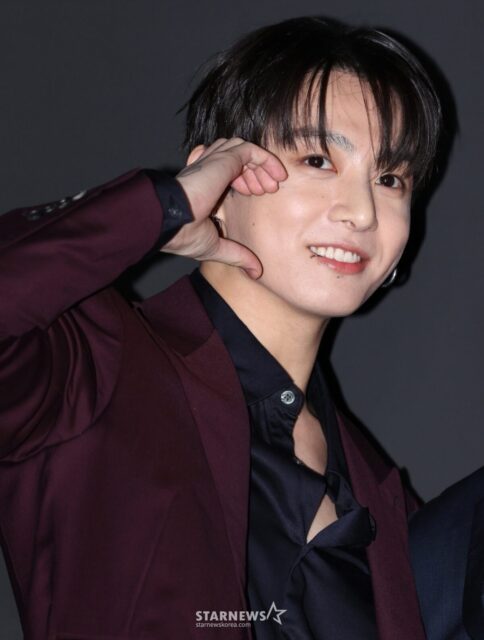
Concurrently, the corporate response—or rather, the calculated strategic silence—from giants like HYBE and SM Entertainment tells its own compelling story. While SM Entertainment frequently adopts an aggressive legal posture against malicious cyberbullying, defamation, and deepfake proliferation to protect its artists from toxic vitriol, the core questions regarding the dating rumors themselves are met with a deafening void. This policy of deliberate ambiguity is hardly accidental. Entertainment conglomerates have long understood that confirming dating rumors often alienates the most financially obsessive tiers of the fandom, while outright denials can backfire if contradictory evidence later surfaces. By maintaining radio silence, the agencies allow the internet storm to rage, burn itself out, and eventually morph into background noise, mirroring the protracted sagas of past pairings like V and Jennie.
Furthermore, the integration of digital technology, AI-generated media, and rapid-fire social sharing has accelerated the distortion of truth. In several instances, viral clips purporting to show idols in compromising or revealing personal contexts have turned out to be heavily manipulated, edited, or completely fabricated by malicious actors looking for clout or chaos. This technological evolution complicates the landscape even further, making it increasingly difficult for the average consumer to distinguish between genuine privacy leaks, clever edits, and mass hysteria. Stalkers and obsessive anti-fans exploit these gray areas, transforming an artist’s everyday life into a perpetual state of siege where even walking down a hallway or adjusting an accessory becomes a headline-generating event.
Ultimately, the persistent obsession with Jungkook, Winter, and the ecosystem of “couple item” discourse is a mirror reflecting the broader dysfunctions of modern celebrity culture. It exposes the suffocating expectations placed upon young icons who are expected to function simultaneously as flawless global deities and completely accessible fantasy companions. As long as the industry thrives on cultivating hyper-close parasocial bonds, the public will continue to scavenge for hidden truths in the margins of live streams and music videos. Yet, beneath the noise of truck protests, viral hashtags, and fierce online debates lies a simple, undeniable human truth: the relentless pursuit of a private life in a world that demands absolute public visibility. Until fandoms and institutions evolve past the archaic notion that an artist’s heart belongs to the crowd, these cycles of speculation, outrage, and stoic corporate silence will continue to repeat, trapping contemporary pop culture in an endless, looping melodrama.