On May 8th, a video titled “Kids, Do You Want to Come Back? | Jipdaeseong ep.106 I.O.I (Somi, Yoojung, Sohye)” was uploaded on the YouTube channel Jipdaeseong. In this episode, former I.O.I member Jeon So-mi shared some behind-the-scenes stories from her time with the group, one of which focused on a particular experience during their music show promotions. So-mi recalled a situation where she had to participate in a program she really didn’t want to do, simply for the sake of appearing on a music show. She specifically mentioned a haunted house experience that was especially terrifying for her, as she was only 16 at the time.
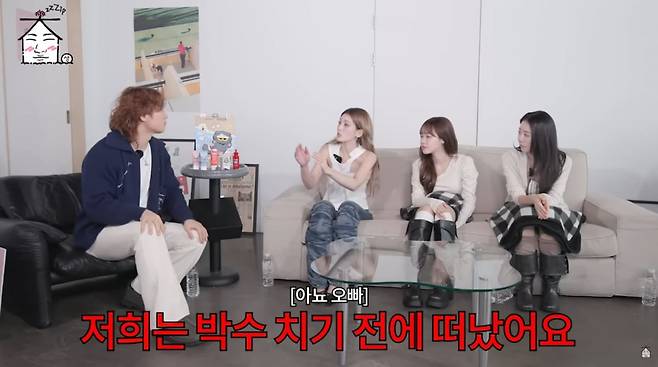
Daesung, a member of the iconic K-pop group BIGBANG, was also featured in the video and empathized with So-mi’s story. He mentioned that during his time in the industry, there was a longstanding and somewhat unspoken practice in the entertainment world. According to Daesung, this practice involved a kind of unwritten agreement where artists would appear on variety programs in exchange for being allowed to perform on music shows. It was a way to maintain a mutually beneficial relationship between broadcasters and music programs, which often required these guest appearances as part of their promotional activities.
Daesung elaborated on this by recalling that BIGBANG’s agency, YG Entertainment, did not follow this norm. YG, known for its more independent and sometimes rebellious stance within the industry, refused to participate in these exchanges. As a result, BIGBANG had a notably different approach when it came to promoting their music on variety shows. Daesung explained that if the group did not feel comfortable or did not want to participate in a particular program, they simply wouldn’t. This was in stark contrast to the more common approach where idols and artists would often go along with these arrangements to ensure they could appear on popular music programs.
This practice was widespread and sometimes led to artists feeling pressured or uncomfortable with the types of variety shows they had to take part in to maintain their visibility on music programs. For I.O.I and other groups in a similar situation, the decision to participate or not was often not entirely up to the individual artist, but influenced by the broader system that connected variety appearances to music show performances. Jeon So-mi’s candidness about her discomfort with certain programs highlighted how the pressures of the industry could sometimes lead to difficult choices for young idols, especially in their early years of fame.
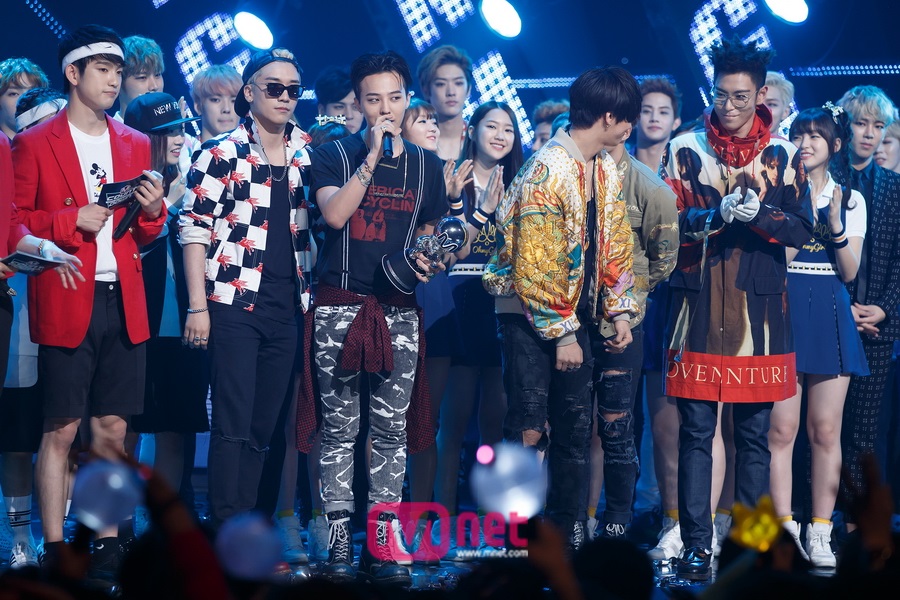
In the case of BIGBANG, their refusal to engage in such exchanges was part of the reason they were only seen on one music show. This decision, although controversial at the time, was reflective of YG’s stance against some of the traditional practices in the K-pop industry. BIGBANG’s success, however, proved that it was possible to thrive without adhering to these unspoken rules, showing that artists could remain successful while retaining control over their own choices and image.
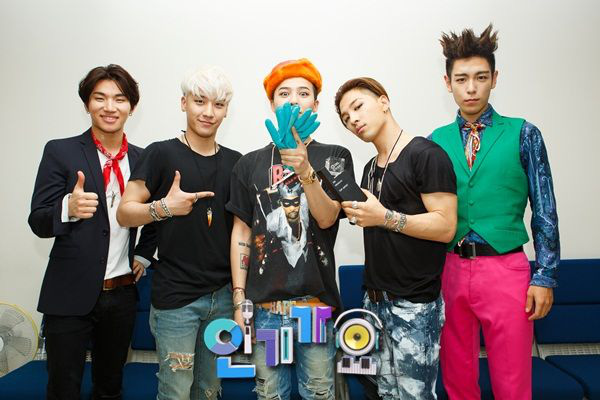
This conversation revealed some of the challenges idols face behind the scenes, and how the entertainment industry’s unwritten rules can sometimes make it difficult for artists to maintain their autonomy. It also painted a picture of how BIGBANG and YG, by rejecting the custom of reciprocal appearances, set themselves apart from the typical K-pop group dynamic. This sense of independence and agency, while not always easy, allowed them to maintain their integrity and set new standards for other artists to follow.
In the larger context of K-pop, where the demand for constant visibility and media appearances is high, Daesung’s reflection on these practices serves as an important reminder of the pressures that idols face to conform. It also highlights the evolving nature of the industry, where more artists are starting to push back against the traditional ways of doing things.