Scooter Braun, the former CEO of HYBE America and a prominent American music mogul, has recently made headlines for divesting his entire stake in HYBE. This decision marks a significant shift in both Braun’s personal career and the trajectory of HYBE, a South Korean entertainment giant. According to an official regulatory filing submitted to the Financial Services Commission (FSC) on April 1, 2026, Braun sold all 362,292 shares he held in HYBE, effectively severing his ties with the company. The filing further stated that Braun’s reason for selling his shares was “Executive Retirement,” indicating that he had officially retired from his executive roles, thus bringing an end to his formal association with HYBE.
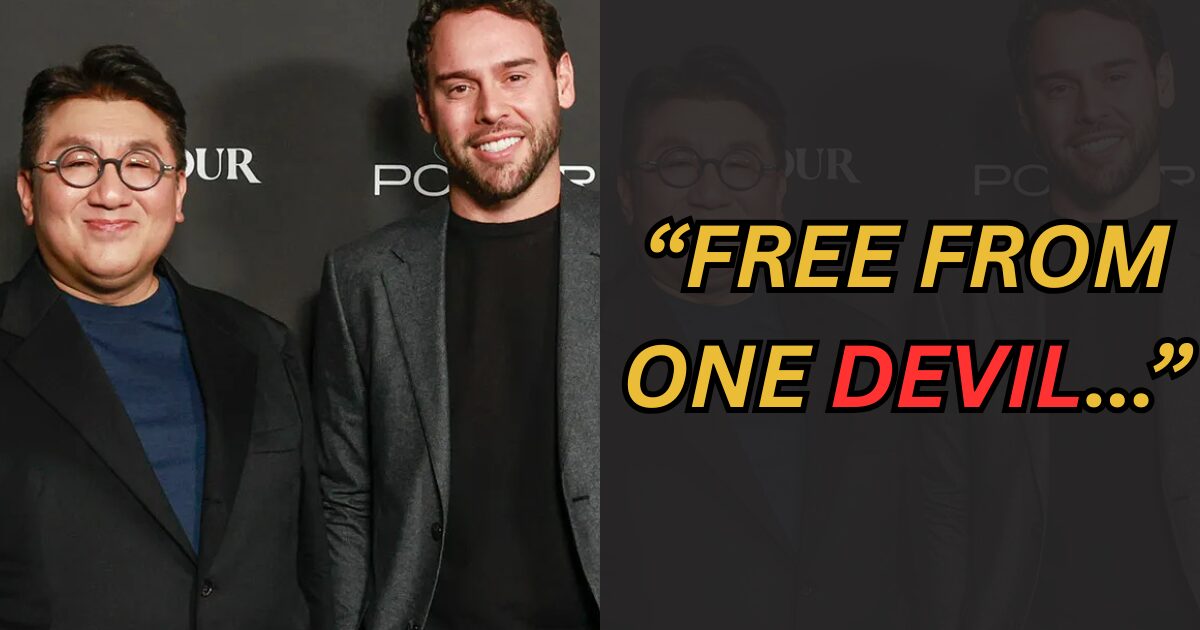
The news of Braun’s departure and divestment has been met with mixed reactions, particularly among HYBE’s fanbase. Braun had previously stepped down from his role as CEO of HYBE America in July 2025, but he remained involved with the company in a limited capacity. After resigning from his executive position, he continued to serve as a board director and senior advisor to Bang Si Hyuk, the chairman of HYBE. Braun was also the second-largest shareholder in the company at the time, which made his role in HYBE’s future, especially in its expansion into the U.S. market, a subject of much scrutiny and discussion.
The timing of his departure comes at a moment when HYBE’s influence in the United States is under intense focus. The company’s foray into the American market had been seen as a pivotal strategy to globalize the K-pop industry, particularly through its partnership with the globally recognized group BTS. Braun’s expertise in the American music industry was considered a key asset for the company’s growth in the Western world. However, with Braun’s exit from the company and his complete divestment of shares, HYBE’s future in the U.S. market now faces an uncertain future. The absence of a prominent figure such as Braun raises questions about how the company will navigate its U.S. operations and whether BTS’s presence in the American market will continue to thrive as it has in the past.
Braun’s departure from HYBE is not just a personal decision, but also a move that has garnered significant attention from both fans and critics alike, particularly due to Braun’s controversial past. Over the years, Braun has been the subject of various public controversies, which have led to calls from fans for his removal from the company. Among the most contentious aspects of Braun’s public persona was his explicit endorsement of Zionism and other remarks that many deemed offensive. These views, combined with his high profile in the entertainment industry, had led to calls for HYBE to distance itself from Braun. Fans of the company, especially those aligned with pro-Palestinian views, had long been vocal in their demands for HYBE to sever ties with Braun, which they viewed as a moral obligation given his public endorsements.

When the news broke that Braun had divested his shares, many fans expressed a sense of relief, seeing it as a victory in their long-running campaign to push HYBE to disassociate itself from Braun’s controversial stance. A significant number of fans took to social media to celebrate the news, expressing their belief that this was a step toward making HYBE more accountable to the values they held dear. One fan, in a tweet that received considerable attention, remarked that while the divestment of Braun’s shares was a cause for celebration, it was far from the end of the battle. They emphasized that their fight would not be over until HYBE took further action by divesting completely from Zionism and ending its associations with the occupation of Palestinian territories.
Despite the celebrations from certain segments of HYBE’s fanbase, there was also a more cautious response from others. Some fans expressed skepticism, questioning whether Braun’s departure alone would be enough to address the deeper issues within the company. Many pointed out that although Braun had been a highly visible figure in the company, HYBE had other executives and stakeholders who shared similar views or had been involved in controversial decisions. There was a palpable sense of uncertainty about how much of an impact Braun’s departure would have on the company’s broader practices. One fan tweeted their concern that, while Braun’s exit might seem like a win, the company’s decision-making would likely remain flawed due to the continued influence of other powerful individuals with ties to Zionism.
This divide in fan reactions highlights the ongoing tension between corporate actions and the moral expectations of a company’s fanbase. While some fans feel that they have achieved a meaningful victory by forcing Braun out, others recognize that the broader issue at play is much larger and involves systemic changes within the company itself. The concerns raised by these fans point to a growing awareness of how corporations, especially global ones like HYBE, are interconnected with political, social, and cultural issues.
.jpeg)
The question now is how HYBE will proceed in the aftermath of Braun’s departure. With his exit, the company faces a potential loss of one of its most experienced figures in the U.S. market, and fans are closely watching to see what actions the company will take to maintain its position in the industry. Will the company continue its efforts to expand into Western markets, particularly the U.S., without Braun’s leadership? And how will the company respond to the ongoing concerns raised by its global fanbase regarding its ties to controversial figures and ideologies?
In conclusion, the divestment of Scooter Braun from HYBE is a significant moment in the company’s history. It marks the end of an era for the entertainment giant and raises crucial questions about the company’s future direction, particularly in the American market. While many fans celebrate the removal of a controversial figure, the deeper issues regarding the company’s associations and values remain unresolved. The situation serves as a reminder that corporate decisions are never just business; they also reflect broader social and political dynamics that can have lasting consequences for both the company and its audience.