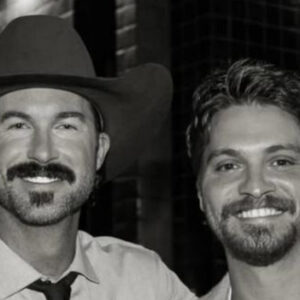
When it comes to blending science with gripping storytelling, few authors have mastered the formula like Andy Weir. In Project Hail Mary, as with his previous bestseller The Martian, Weir’s approach is methodical yet imaginative: he begins with a scientific problem and constructs the story around it. In a recent interview with Rolling Stone, the author explained that his process is rooted in reverse-engineering. “I focus on the science first and then work backward to build the narrative,” Weir said. For The Martian, that meant exploring how a human could survive alone on Mars. For Project Hail Mary, the challenge revolves around space travel that currently exceeds the bounds of possibility.

Despite the brilliance of his novels, Weir is refreshingly candid about his own expertise. He describes himself as more knowledgeable than the average reader but far from a professional scientist. “I know enough to identify what I don’t understand and then research it,” he explained. This approach allows him to craft characters who appear far smarter than he is. “It’s easy to write characters who can solve a problem in five minutes when I might spend two weeks figuring it out myself,” he added. By adhering closely to real scientific principles, Weir allows the science to shape both the plot and the obstacles his characters face.
Weir’s dedication to scientific realism has translated into films praised for their authenticity, even if they are not flawless. The Martian benefited from guidance by NASA physicist Dr. Jim Green, while Project Hail Mary did not involve Neil deGrasse Tyson directly, though the renowned astrophysicist reportedly approved of the movie’s accuracy. Scientific American has also assessed the science behind the story, finding that while some aspects are simplified, many concepts remain impressively grounded.
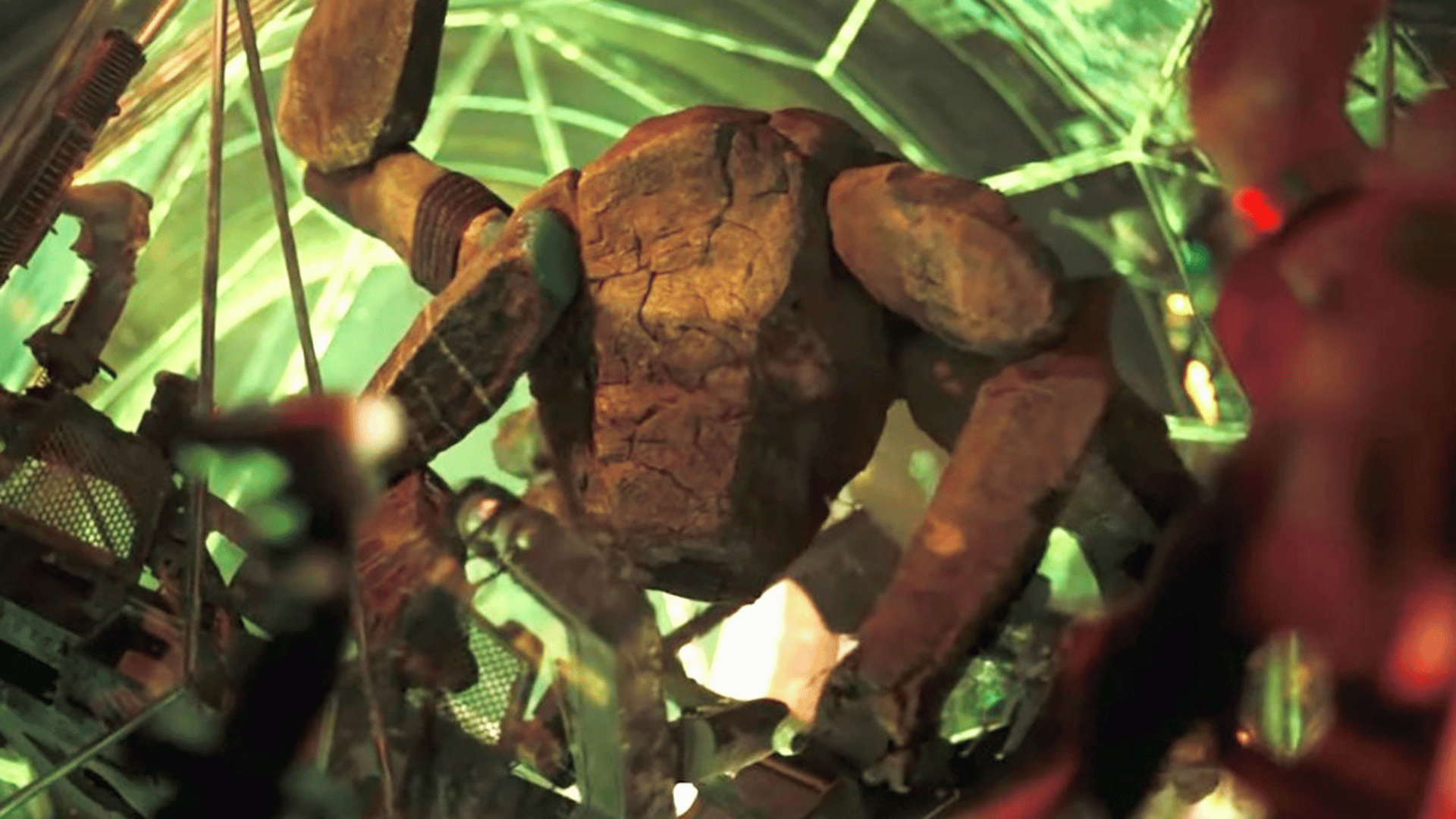
The film’s depiction of Astrophage, a fictional alien microbe, exemplifies this balance. Using Einstein’s famous equation, E = mc², the organisms could theoretically absorb the Sun’s energy, generate neutrinos within their cell membranes, and convert mass into energy for propulsion. While purely speculative, the concept reflects a careful application of real physics to imaginative storytelling, making the scenario feel plausible within the film’s universe.
Weir also anchors his narrative in real-world astronomy. Planets and stars such as Tau Ceti and 40 Eridani are accurately placed, with Tau Ceti situated roughly 12 light-years from Earth and 40 Eridani about 16 light-years away. Astrophage biology similarly mirrors life on Earth, possessing mitochondria that suggest a potential shared ancestry with terrestrial organisms. Carnegie Science astrobiologist Mike Wong notes that while mitochondria evolved on Earth, life forms without them—like bacteria and archaea—als o exist, implying that if life
The film continues the sci-fi tradition of tackling artificial gravity. Whereas The Martian employed a spinning spacecraft to simulate gravitational pull, Project Hail Mary relies on centripetal force. Drew Feustel, lead astronaut at the private space station company Vast and a technical consultant for the movie, confirmed that spinning habitats are actively being considered in real-world space station designs. However, the movie’s portrayal of simulating gravity on land may stretch the limits of current scientific feasibility.
Another point of debate among space experts is the fast-tracking of Ryland Grace, a former middle school teacher, into astronaut status. Mike Massimino, a former NASA astronaut, notes that NASA did train “payload specialists” from 1983 to 2003—individuals who possessed limited mission-critical knowledge but could assist in specific experiments. “What you needed to know depended on your mission and your fellow crew members,” Massimino explained. Essential skills included preparing meals, using sanitation systems, and mastering emergency procedures, emphasizing that even auxiliary crew members required rigorous practical knowledge.
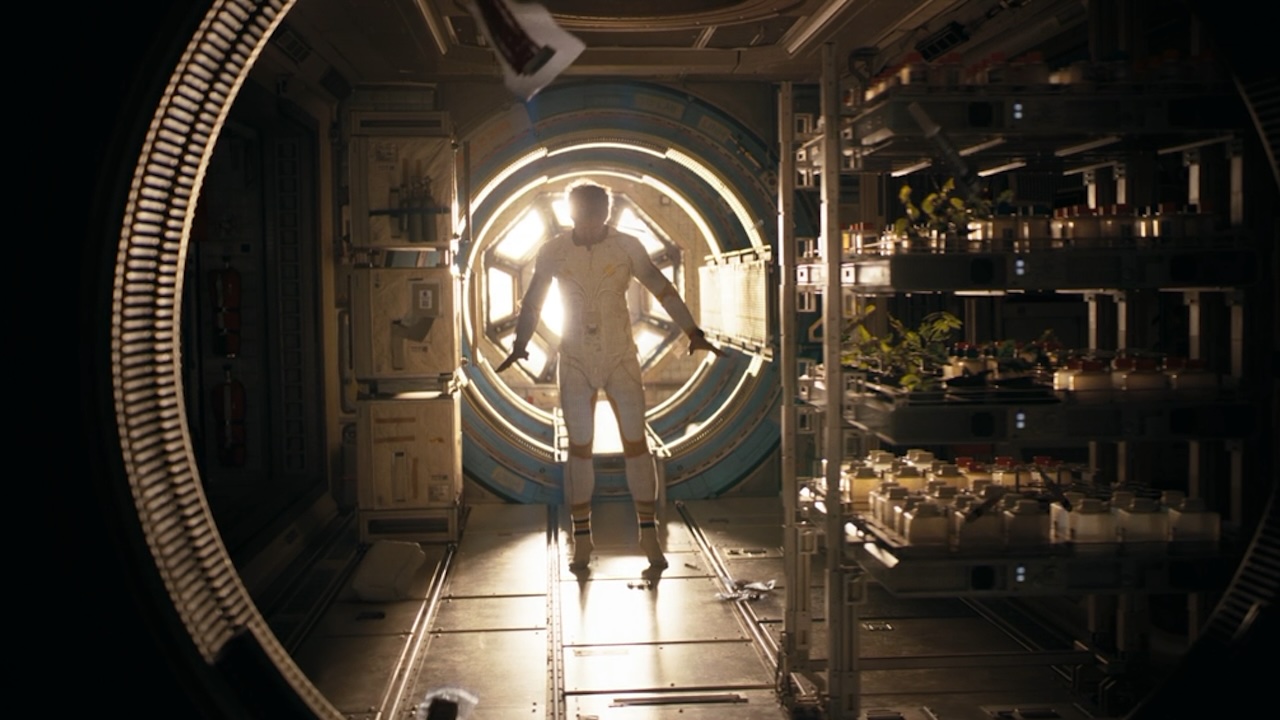
Perhaps the most striking achievement of Project Hail Mary is its unflinching depiction of life in space. Drew Feustel praised the film for avoiding glamorization, highlighting the mundane yet demanding realities astronauts face. “Space is very unglamorous,” he said. “That’s the reality of it.” By presenting a truthful portrayal of the physical and mental challenges of interstellar travel, the film enhances both its drama and scientific credibility.
In weaving together rigorous science, accurate astronomical settings, and believable human responses, Project Hail Mary demonstrates that hard science and compelling storytelling are not mutually exclusive. Weir’s methodical attention to detail, combined with consultation from experts and careful extrapolation of existing physics, allows audiences to engage with speculative scenarios while remaining grounded in reality. From the theoretical mechanics of alien microbes to the practicalities of artificial gravity and astronaut training, the film honors the complexity of space travel without sacrificing narrative excitement.
Ultimately, Project Hail Mary succeeds not only as a thrilling story of survival and ingenuity but as a testament to the power of science to shape storytelling. By turning the vast unknowns of space into tangible narrative challenges, Andy Weir reminds viewers that the cosmos may be filled with mysteries—but careful reasoning and human curiosity can illuminate even the most daunting frontiers.