BLACKPINK’s Lisa is celebrating a major achievement after receiving four nominations at the 2026 MTV Video Music Awards, but the recognition has quickly become controversial online. Her “DREAM” music video, featuring Japanese actor Kentaro Sakaguchi, was nominated for Best Pop Song, Best K-Pop, Best Cinematography and Best Editing. Instead of focusing solely on the achievement, however, some netizens immediately questioned the nominations and even dragged Lisa’s rumored former boyfriend Frédéric Arnault into the controversy.
The backlash began almost immediately after the nominations were announced. Some critics questioned whether “DREAM” was eligible for this year’s awards and argued that the song should not have received recognition in multiple categories. Others went further, claiming that the nominations appeared “rigged” and suggesting that Lisa’s popularity or industry connections had influenced the outcome rather than the merits of the project itself.
One of the biggest points of criticism centered on the eligibility period. Several commenters appeared confused about when “DREAM” was released and questioned why a song from the previous year was being considered for the 2026 VMAs. That argument quickly became part of the larger online debate, with critics using the eligibility question as evidence that something was wrong with Lisa’s nominations.

The reaction became even more personal when some netizens brought up Frédéric Arnault, Lisa’s longtime rumored boyfriend. Although reports and speculation have suggested that the pair may have separated, critics still connected Arnault to Lisa’s latest recognition, alleging without evidence that his influence or wealth had something to do with her VMAs nominations. Some even used the nominations as an opportunity to speculate that the two may have reconciled.
That accusation has become a recurring theme whenever Lisa receives major international recognition. Rather than evaluating her work independently, some online users have repeatedly attempted to attribute her professional achievements to her association with Arnault. The latest VMAs controversy shows how difficult it has become for Lisa to receive a major accomplishment without parts of the online fandom turning the conversation toward her private life.

Critics also questioned why “DREAM” was nominated in both Best Pop Song and Best K-Pop, with some arguing that the categories appeared contradictory. Others compared Lisa’s nominations with artists who released larger bodies of work during the year, suggesting that the nominations did not accurately reflect popularity or overall musical impact. Those arguments fueled a broader debate about whether award shows should prioritize commercial success, artistic quality, cultural classification or the technical aspects of a music video.
Lisa’s supporters, however, quickly pushed back against the criticism. Fans pointed out that the “DREAM” music video was released in August 2025, making it eligible under their understanding of the VMAs’ eligibility timeline. They also argued that Lisa remains a K-pop artist despite pursuing a broader international career, making her inclusion in the Best K-Pop category reasonable.
Supporters also emphasized the visual quality and reach of the project. One fan noted that the video had accumulated nearly 70 million views, arguing that the VMAs are fundamentally about music videos rather than simply measuring which songs were the biggest commercial hits. From that perspective, the cinematography and editing nominations make sense because they recognize elements beyond streaming numbers or chart performance.

The debate therefore appears to reflect two very different ways of judging Lisa’s achievement. Critics are focusing on questions surrounding eligibility, genre classification and whether the song was sufficiently prominent to deserve four nominations. Supporters, meanwhile, argue that the VMAs recognize creative work across multiple categories and that Lisa’s nominations should be evaluated according to the criteria of each category rather than her overall chart performance.
The boyfriend angle adds another complicated layer. Even if Arnault and Lisa are no longer together, the fact that his name continues to appear whenever Lisa receives recognition demonstrates how strongly their rumored relationship remains connected in the public imagination. However, the claims that he somehow influenced the nominations remain online speculation, not an established fact. The Koreaboo report itself presents those accusations as comments from netizens rather than verified evidence.
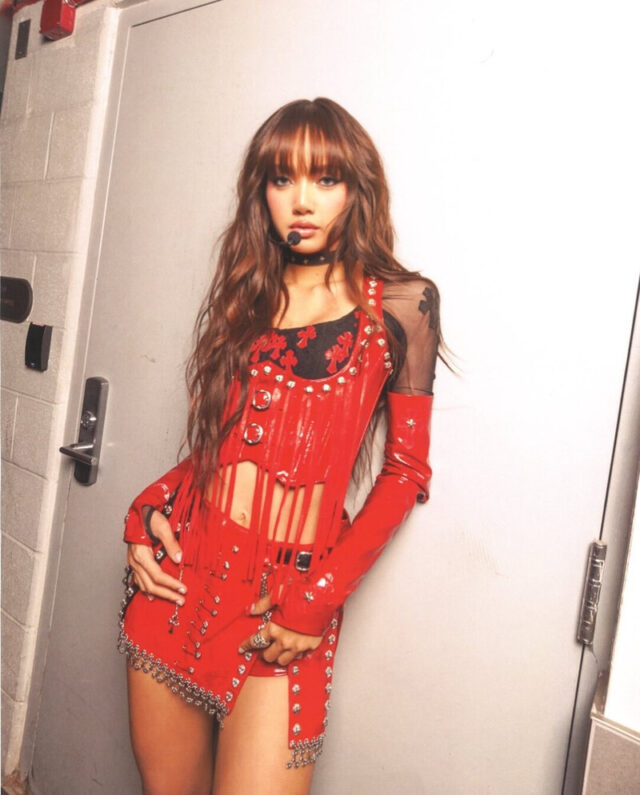
For Lisa, the controversy could ultimately overshadow what should otherwise be a significant career milestone. Four VMAs nominations in one year represent substantial recognition for a solo artist, particularly across categories that acknowledge both music and visual production. Yet instead of allowing the achievement to stand on its own, the announcement has once again triggered arguments about favoritism, industry influence and her personal relationships.
Ultimately, the most interesting part of the controversy may be how divided the reaction has become. Lisa’s four 2026 VMAs nominations should have been a straightforward celebration, but questions about eligibility, genre and alleged industry influence quickly transformed the announcement into another fierce online battle—with critics dragging her rumored relationship with Frédéric Arnault into the discussion, while fans insist that her nominations are based on the work itself.