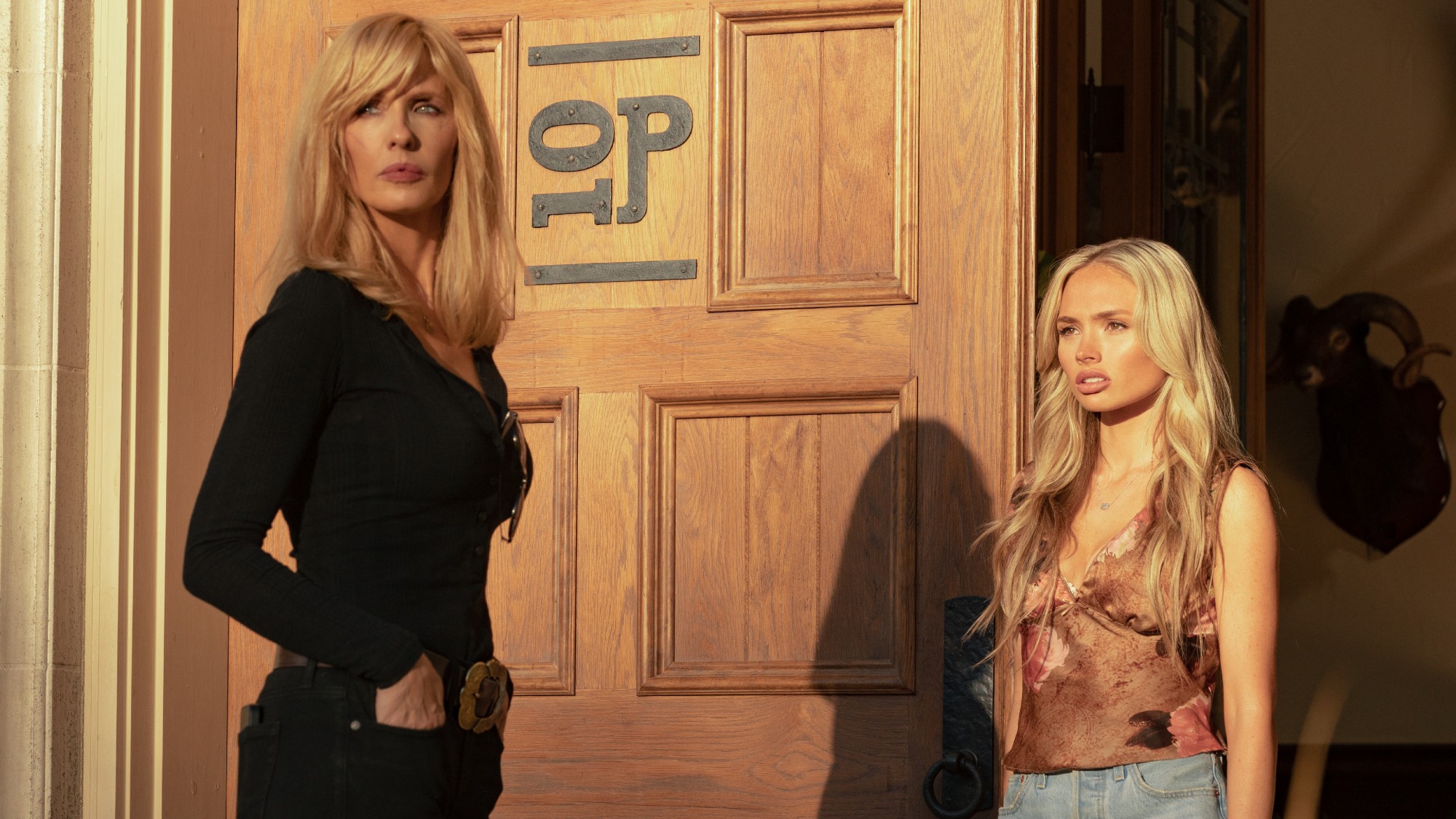
Cowboy Camp has become a rite of passage across the Yellowstone universe—a short, intense stretch of training that prepares actors for horseback work and, almost as importantly, forces a new ensemble to bond before cameras roll. On Dutton Ranch, that process looked different for Natalie Alyn Lind than for most of her colleagues. She was the only woman in her group, and she has described the experience as both intimidating and unexpectedly supportive.
A week in character before the first take
For the newcomers joining Rip and Beth’s story in Texas, Cowboy Camp lasted about a week before filming began. The skills required differ from show to show: Marshals demands its own set of practical competencies; Dutton Ranch leans hard into ranch work and riding. Lind, who plays Oreana Jackson, called the training the best way she has found to enter a character’s mindset and to ground herself in the physical world of the series.
The camp also functioned as an icebreaker. Cast members who had never worked together were suddenly dependent on one another for encouragement through tasks that were awkward, physical and easy to fail in public.
The only woman in the group
Lind was clear about the initial imbalance. “Going into cowboy camp, I was the only girl there, so I was the only girl castmate, and that was definitely intimidating,” she said. “But they just felt like a bunch of big brothers.”
Annette Bening and Kelly Reilly, the other women in the show’s regular adult cast, were not part of that particular training cohort. The men around Lind likely included series newcomers such as Jai Courtney (Rob-Will), Juan Pablo Raba (Joaquin), J.R. Villarreal (Azul) and Marc Menchaca (Zachariah). Cole Hauser and Finn Little already had years of Yellowstone riding behind them; whether they attended this session is less certain.
What mattered to Lind was the tone once the exercises started. The intimidation of being the sole woman did not, in her account, turn into isolation. It turned into a loud, fraternal cheer section.
Eggs, spoons and a rising flush
One drill in particular stuck with her. Riders had to hold a spoon with an egg in it and maintain a trot without dropping it—a test of balance, calm hands and the ability to look composed while the body wanted to tense. Everyone took a turn. When Lind rode, the reaction was disproportionate and, eventually, a little overwhelming.
“When I would do it, because it was just a bunch of big brothers, everybody would just start cheering and going crazy,” she recalled. “And then towards the end, I was starting to get a little bit embarrassed. I would start getting flushed and getting really scared if I couldn’t do something. But it was just so supportive.”
The sequence captures the double edge of the camp: tasks designed to push people outside their comfort zone, paired with a group dynamic that refused to let failure become humiliation. Lind’s embarrassment and fear were real; so was the noise of encouragement that met every attempt.
Why the ritual persists

Cowboy Camp is not primarily a publicity exercise. Sheridan’s shows depend on actors looking credible on horseback and in working-ranch environments. A week of shared, slightly ridiculous drills—eggs on spoons included—does more than teach posture. It creates a private language of effort and support that can carry into the first difficult weeks of a shoot, especially on a series that, as Hauser and Reilly have noted elsewhere, has demanded long days in extreme Texas heat.
For Lind the payoff was practical and social. She left camp better prepared for Oreana’s physical world and already folded into an ensemble that had seen her flush, struggle and finish the exercise anyway.
Season 2 on the horizon
Dutton Ranch has been renewed for a second season, with most of the company expected back in the saddle. The first season’s Cowboy Camp stories are already becoming part of the show’s early lore: the only woman in the group, the big-brother chorus, the egg that had to survive a trot. Fans will see the results on screen in the riding and ranch work. The off-screen version—the intimidation, the cheering, the embarrassment that turned into belonging—remains the kind of detail that explains how a new cast starts to feel like a unit before the first episode airs.
For now, that unit’s work is available on Paramount+. The next round of training stories will likely surface once Season 2 is underway. Until then, Lind’s account stands as a clear snapshot of what the ritual is designed to do: put people on horses, put them slightly out of their depth, and let the group noise carry them through.